Helmsley Castle's hidden history


This article was written by one of our Young Reporters, a scheme that gives 14 to 18-year-old school students a chance to write for a real newspaper. Find out more at the Young Reporter website.
Helmsley Castle has a hidden but important history.
Standing imposingly and looking over the town of Helmsley, the castle is an iconic part of the local landscape.
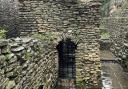
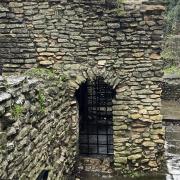
The East Tower forms the recognisable silhouette, with its two ear turrets - thought to have been added in preparation for a visit from King Edward III - carving out space against the sky.
Whilst the castle is a ruin today, it has had a rich and important history within the town.
Built in 1120 by Norman knight, Walter Espec, the castle originally served as a display of Espec’s great influence within this part of Yorkshire, with its unique double ditch earthworks adding a key defensive feature.
Whilst after Espec the castle was mainly a domestic setting, centuries later, this defensive purpose was renewed.
During the Second World War, the castle’s earthworks were planned to be part of an anti-tank defence network, should England have faced invasion.
However, the most significant moment in the castle’s history came during the English Civil War, as Royalist troops under Sir Jordan Crosland held the castle.
Besieged by a Parliamentarian force, led by Sir Thomas Fairfax, the three-month siege was eventually ended by a ‘surrender with honour’, with Crosland and his men allowed to ride out.
However, the castle fared less well than the Royalist troops, with the East Tower being slighted by mortar bombs placed beneath it, to stop it being used again by either side in the ongoing war.
Whilst this marked the end of the castle’s use as a military base, just as before, it proceeded to go through many iterations, from a Victorian romantic ruin sketched by JMW Turner, to the site of tennis courts used by the local community.
Nowadays, the castle is under the care of English Heritage and open to visitors who may be interested in exploring its overlooked and hidden history.