Reading, Writing and Young Adults


This article was written by one of our Young Reporters, a scheme that gives 14 to 18-year-old school students a chance to write for a real newspaper. Find out more at the Young Reporter website.
Many young people nowadays prefer other forms of entertainment rather than reading and writing for fun.
Recent research by the Scottish Book Trust discovered that teenage reading is at an all time low, even though it has many benefits.
It was discovered that many young people dislike the books they read at school in class because they don't align with their interests or are too challenging.
They also didn't like not having the choice over the books they read in class.
This forced reading causes young people to develop negative attitudes towards reading and are less motivated to read for pleasure in their spare time.
Furthermore, reading and writing for enjoyment is often portrayed as antisocial, making it seem uncool, not ideal for teenagers who are seeking acceptance and status.
However, many young people are now changing their perspective and believe this stereotype is outdated or they don't care that these activities they enjoy are uncool!
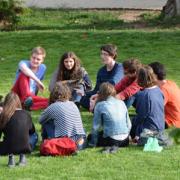
Also, there are not many ways to be a ‘social reader’ such as joining a book club or discussing reading, writing and books with friends.
Lauren Smith, English teacher at Franklin College, shared her view, ‘Reading and writing are important for people at every stage of life.
High levels of literacy skills have shown to be beneficial for a person's social and economic mobility, mental health, social skills, and general wellbeing.’
When asked about the popularity of the A-level English Language and English Literature courses at Franklin she replied, ‘A level English at Franklin continues to be a valued and popular choice, which is pleasing given that, due to high levels of social deprivation in the area, it might be expected that this would not be the case.
I think this shows that young people in all walks of life love stories and see the value in reading and writing.
I think it's so important to offer literacy education to young people in all educational institutions in order to ensure that accessibility.
Due to the rise of social media and AI, I think it's more important than ever that young people are able to think independently, maintain high levels of literacy and cultivate a unique and personal voice.
A levels in English subjects can provide that.’
Lauren is confident that her pupils enjoy the courses, despite the stigmas associated with reading and writing for leisure, ‘While there will always be that enduring attitude at times that reading isn't a 'cool' past time amongst young people, despite this, reading and writing in lessons will inevitably always provoke interesting and engaging discussions, creative writing always seems to be a popular activity.’
To conclude Lauren shared her advice for young people who are curious about taking up reading, writing or both as a hobby: ‘Read and write about what interests you, not what you 'should' read or what will make you look better to others, reading should be an immersive experience, don't waste time persevering with books you don't like.
Find your genre, read the books that have been adapted into films or TV series you have enjoyed.
Join a reading app like Storygraph or Goodreads and share your progress with friends.
Take part in reading challenges.
Create nice spaces to read and write at home: have a bookcase next to your bed or favourite comfy chair, put your phone in a different room and resist the urge to doomscroll.
Share your creative writing projects online or with friends.’
So, when you next have a free 10 minutes, why not pick up a notepad and pen or a book and enjoy the freedom of imagination.
Storygraph, an app which tailors book recommendations to your interests: https://thestorygraph.com/
Goodreads helps motivate people to read through insightful recommendations past on past reading choices, discussing books with friends and reading challenges: https://www.goodreads.com/