How Hostile Architecture Shuts Out The Homless


This article was written by one of our Young Reporters, a scheme that gives 14 to 18-year-old school students a chance to write for a real newspaper. Find out more at the Young Reporter website.
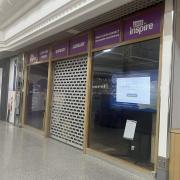
Across the UK, a quiet but significant change has been taking place on high streets, in train stations and beneath shopfront awnings.
The installation of design features such as bench dividers and gated nooks/ corners had the intention to deter people from lying or resting in public spaces.
While often described as ‘defensive design’, critics argue these measures create unnecessary hardship for those experiencing homelessness, a group already facing some of the most difficult circumstances in society.
A bench without barriers or a sheltered alcove provides some individuals with an ounce of rest, warmth, and safety in social environments.
By distorting these spaces with spikes, bars, or cages, it reduces the already limited places where the homeless can sleep.
Homelessness charities such as Crisis Homelessness Charity, Shelter Cymru, and the Single Homeless Project say hostile architecture changes do little to create safer communities and instead make life significantly harder for people who have nowhere else to go.
Outreach workers state that these design choices often push homeless people further out of sight, making it harder for support teams to locate them and offer assistance (by providing food, blankets, and medical care).
When public spaces become intentionally inaccessible to the struggling minority, charities believe that it sends a message saying those in crisis are unwelcome in the very places where help is meant to reach them.
Under the surface, there is a clear moral symbolism behind these designs; spikes and gated spaces can be seen as a visual reminder of society’s tendency to prioritise tidiness and order over empathy.
Some councils have begun to rethink their approach, encouraged by campaigns calling for more inclusive alternatives.
Campaigns and protests conducted by communities in places like York and Stoke-on-Trent will hopefully encourage councils to rethink their approach, and provide more inclusive alternatives.
These architectural changes include better lit seating, community shelters, and increased funding for emergency accommodation.
Urban design could be utilised to improve safety for everyone, including those without a home.
Amongst these debates, one thing is clear.
Every bench, doorway, and public space that is modified to exclude the homeless reflects a society that is still reluctant to help its most vulnerable members.
Since 2024, there has been a 7.6% increase in homelessness in the UK, so now the question is whether long term solutions will be provided to those desperately in need.