




Find, save and share Public Notices that affect you in the area.
Search the Public Notice Portal What is the Public Notice Portal?What is the Public Notice Portal?
The Public Notice Portal carries statutory public notices published in local newspapers and is the fastest and most effective way of finding out what is happening in YOUR neighbourhood.
Search the Public Notice PortalA LISTED building in one of York's oldest streets is set for major structural repairs after engineers warned ongoing movement and cracking could threaten its future.
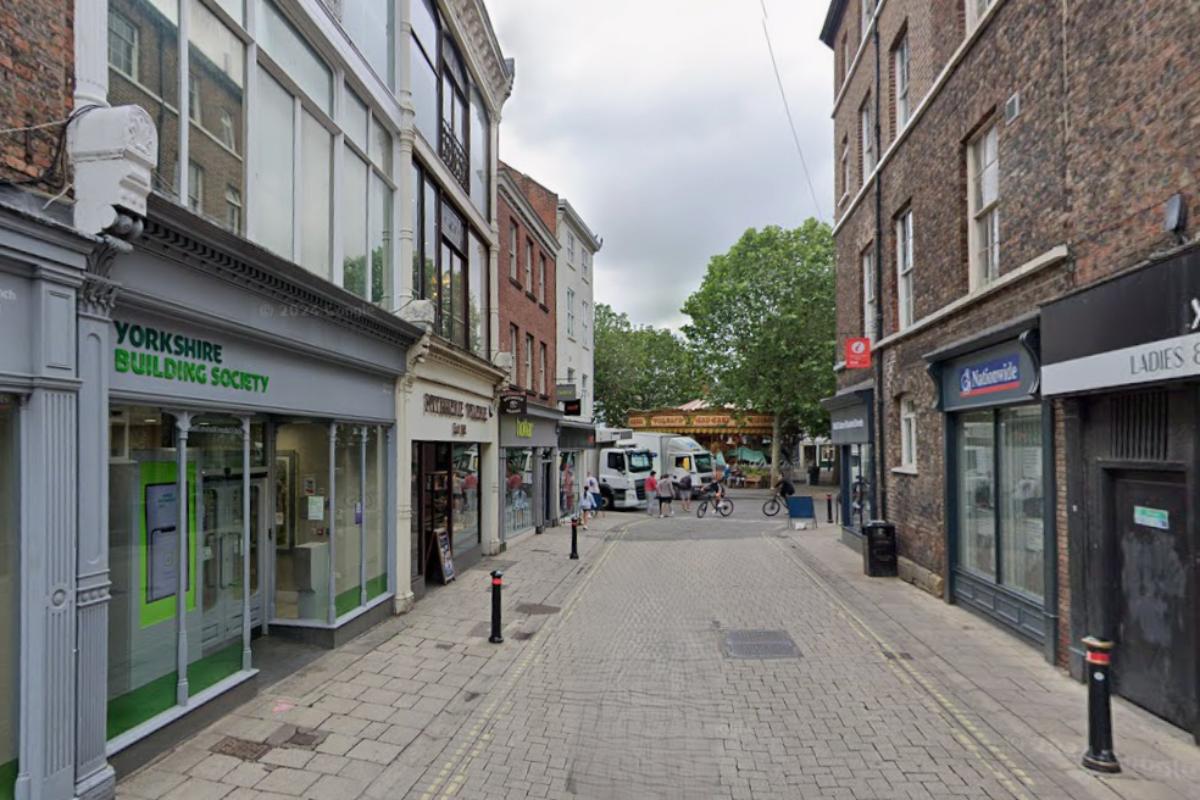
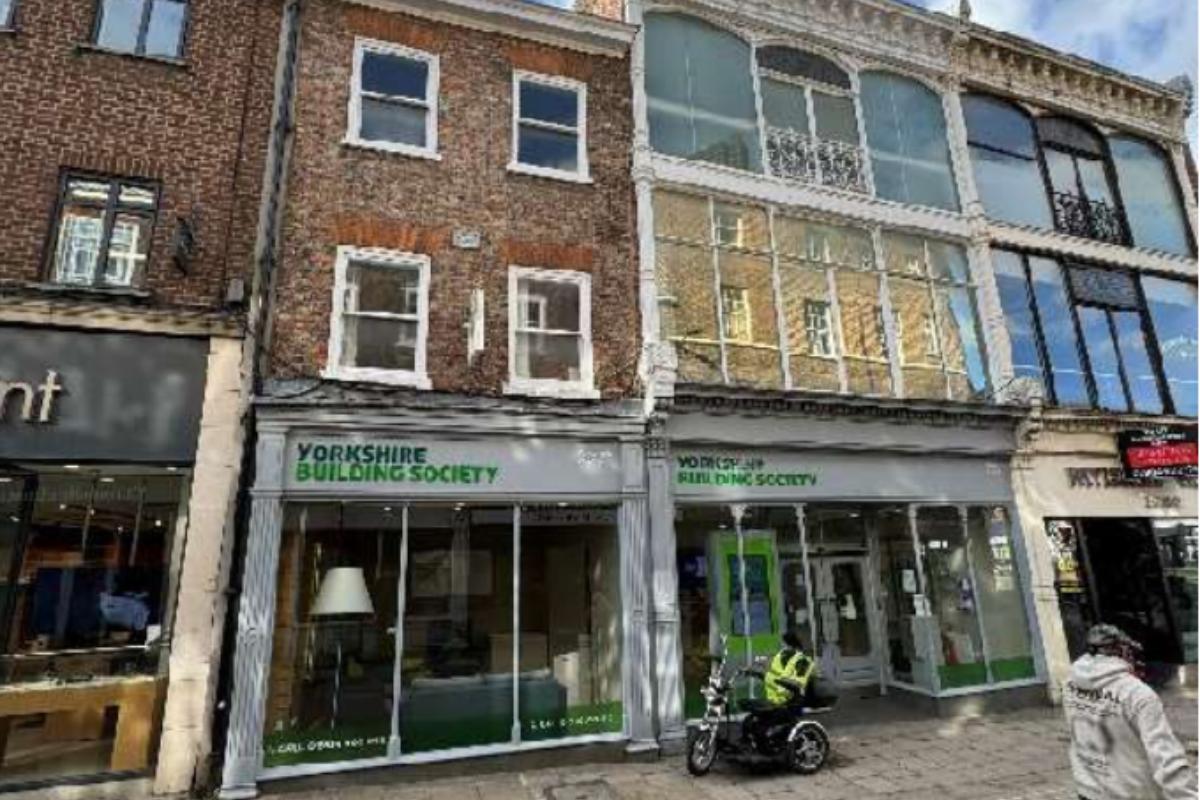
Plans have been approved for works to 7 and 7A Feasegate, home to the city’s Yorkshire Building Society branch.
These are aimed at stabilising the Grade II listed building and prevent further deterioration.
RECOMMENDED READING:
On behalf of Yorkshire Building Society, AJ Blaza & Associates Ltd said the works were needed to address “ongoing structural movement” of the building.
Planning documents said: “Cracking has been observed over a period of time, indicating that the movement is progressive and, if left unaddressed, could lead to further deterioration of the building fabric.”
Feasegate forms part of York's medieval street network, linking key historic commercial routes.
First recorded in 1256, it is one of the city’s oldest streets, whose names derives from the Old Norse term for ‘cow house’.
Historical records show that the street has been subject to centuries of development, with many buildings having originated from the medieval period and subsequently altered and adapted through the Georgian, Victorian and later periods.
Number 7 dates from 1884 and is attributed to architect W. Brown, with its distinctive shopfront manufactured by the Thomlinson Walker iron foundry.
The adjoining building at No. 7A is older and was built in the first half of the 1800s.
The repair work will involve piled underpinning and structural repairs to the ground floor and load-bearing walls.
Additional steel columns, reinforced concrete pile caps and new ground beams would be installed to transfer weight to newly created piles, while repairs would also be carried out to floor timbers.
Planning documents state the highly significant late Victorian cast-iron shopfront at No. 7, regarded as one of the building's most important architectural features, will remain untouched.
Only limited repairs to brickwork and plaster are planned for upper floors.
An earlier proposal to inject geopolymer resin beneath the foundations was abandoned following concerns over the relatively untested approach, which York Civic Trust said required "substantially greater justification".
It has since been replaced with a traditional underpinning scheme using boreholes.
City of York Council's archaeologist has raised no objection to the revised approach but has requested a programme of archaeological investigation and monitoring because of the site's location within York's historic core.
If approved, a written scheme of investigation would need to be agreed before any groundworks begin, with archaeological boreholes and a watching brief carried out during the works.


Share