



Parents driving their children to school could be fined under proposals to introduce camera-enforced traffic restrictions outside York primary schools.
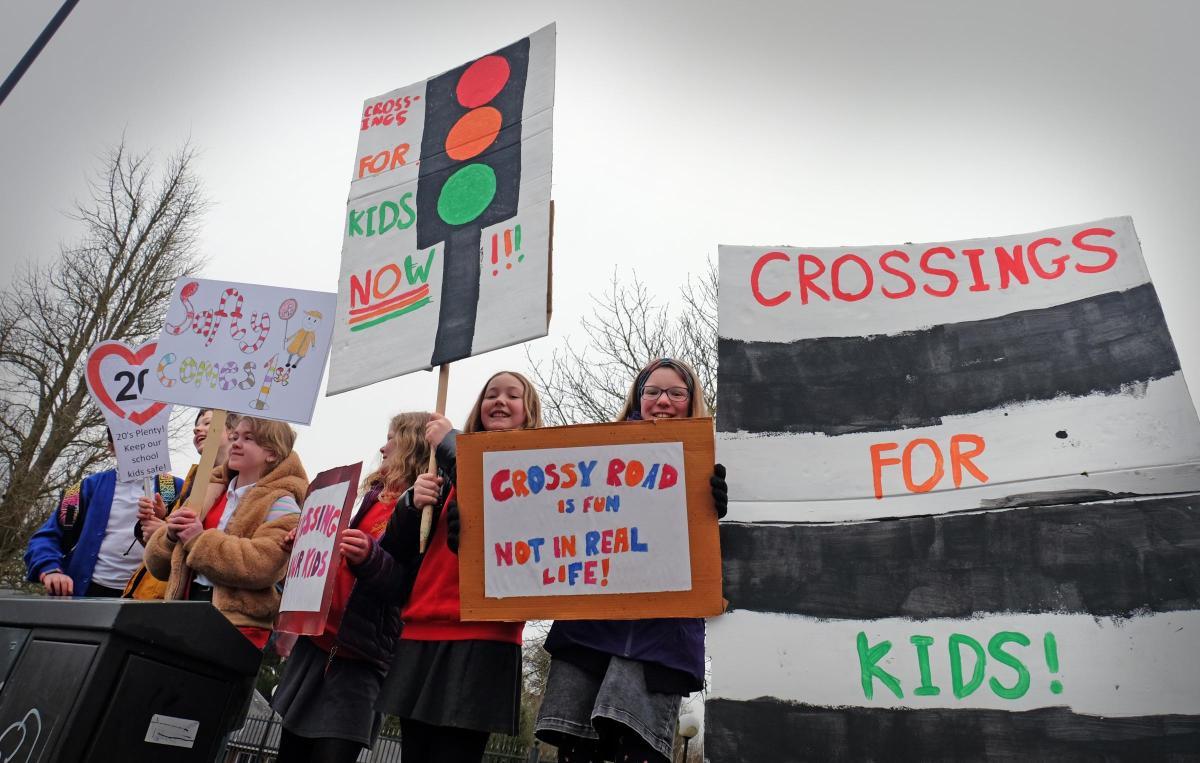
A total of 21 York schools have been identified as being eligible for the School Streets programme, which aims to tackle inconsiderate parking and make journeys to school safer.
Under the scheme, vehicles will not be allowed to enter the School Street at the start and end of the school day, and may cover part of a school road, the whole road or several neighbouring streets.
Read more
'We are completely devastated' - family's heartbreaking tribute to Jade Langton
Investigation continues after stolen motorbike recovered by police
Town's Christmas lights could become permanent feature
'We want to be part of the community' - venue opens in coastal North Yorkshire town
Councillor stranded 2,000 miles from Scarborough
Council officers are recommending the use of Automatic Number Plate Recognition (ANPR), with the council also considering buying a mobile enforcement vehicle.

The 21 schools shortlisted for further assessment are:
- Acomb Primary School
- Archbishop of York's Church of England Junior School
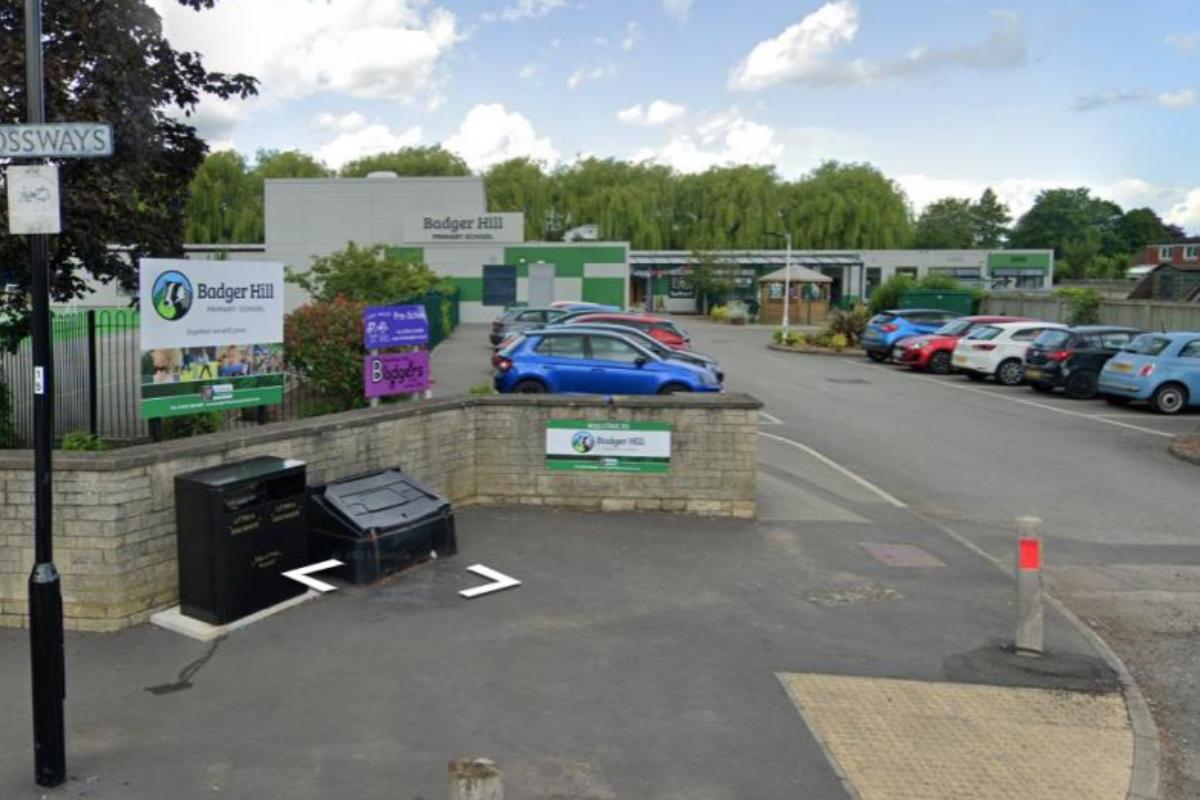
- Badger Hill Primary School
- Carr Infant School and Carr Junior School
- Clifton with Rawcliffe Primary School
- Copmanthorpe Primary School
- Dunnington Church of England Primary School
- Headlands Primary School
- Hempland Primary School
- Lakeside Primary School
- Lord Deramore's Primary School
- Robert Wilkinson Primary Academy
- Scarcroft Primary School
- St Barnabas' Church of England Primary School
- St Oswald's Church of England Primary School
- Tang Hall Primary School
- Westfield Primary Community School
- Wheldrake with Thorganby Church of England Primary School
- Wigginton Primary School
- Woodthorpe Primary School
- Yearsley Grove Primary School
The sites were earmarked following an initial review of primary schools across York using Department for Transport (DfT) guidance.
Criteria included whether or not alternative routes currently exist for motorists, whether the schools are positioned on major bus routes and whether essential access would be maintained through the proposed area.

Before any final decisions are made, further data will be gathered across the schools.
This is expected to include questionnaires for parents, pupils, residents and school staff, alongside traffic surveys, speed monitoring, parking observations and collision data.
City of York Council is recommending that two of the 21 schools are selected for an initial pilot programme, with preparation work taking place during the summer holidays before restrictions are introduced in the autumn term of 2027.
If the initial pilots prove successful, further funding could be sought through the region's active travel programme, potentially paving the way for School Streets to be rolled out to more York schools in the future, the council said.
A range of exemptions are proposed
These could include residents and businesses within the affected area, emergency service vehicles, utility companies responding to emergencies, Blue Badge holders, carers for vulnerable residents and school transport services.
Parents and carers of children with Special Educational Needs and Disabilities (SEND) who require vehicle access could also be exempt, alongside council vehicles carrying out essential duties and those requiring one-off access for events such as weddings or funerals.
Any money raised through enforcement would be reinvested into operating and maintaining the schemes, although council officers acknowledge that revenue from fines is unlikely to cover all ongoing costs.
The programme supports Mayor David Skaith's priorities of increasing active travel, creating safer communities and helping York and North Yorkshire achieve its ambition of becoming carbon negative by 2040.
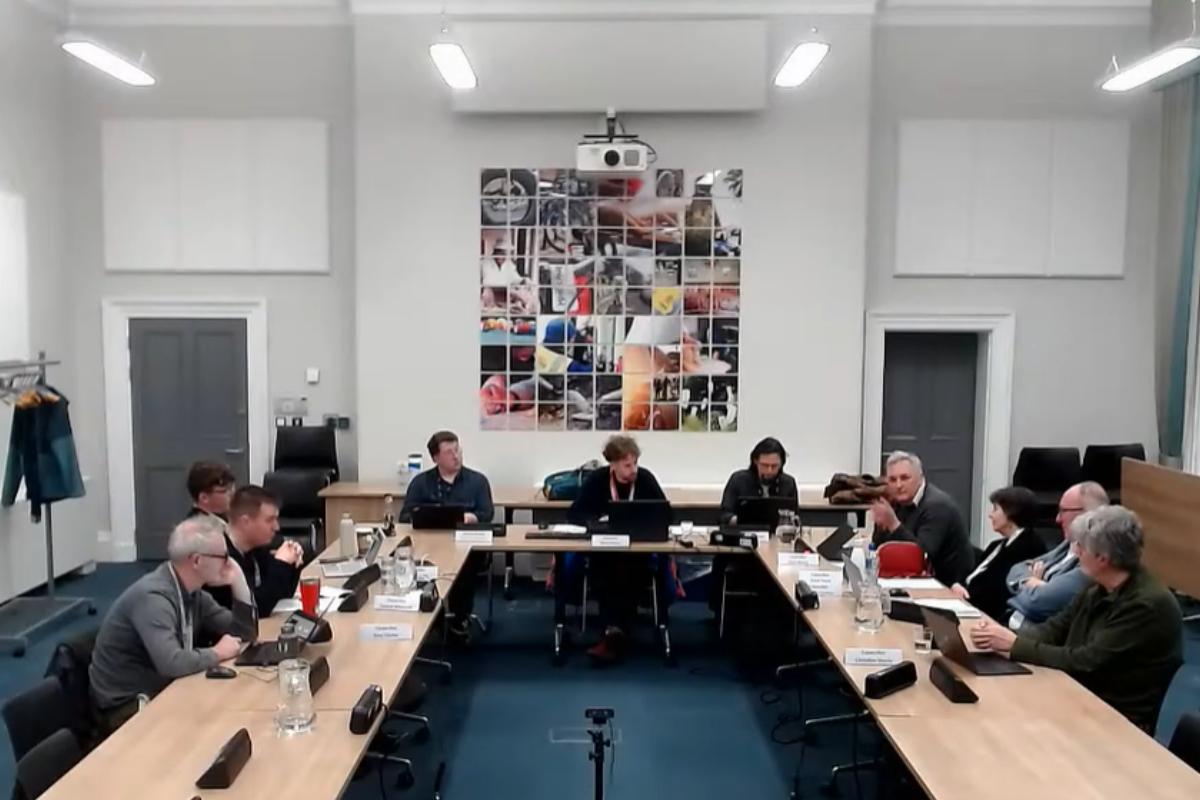
Councillors attending the Place Scrutiny Committee meeting on Monday (November 16) said they largely welcomed the proposal.


Share