



Budgets always have winners and losers, but this week there are some genuinely welcome bits of news for many people, and as a personal finance writer, I'm particularly pleased to see help for households facing rising energy bills, pensioners getting a boost, more money for workers and new support for people hoping to buy their first home.
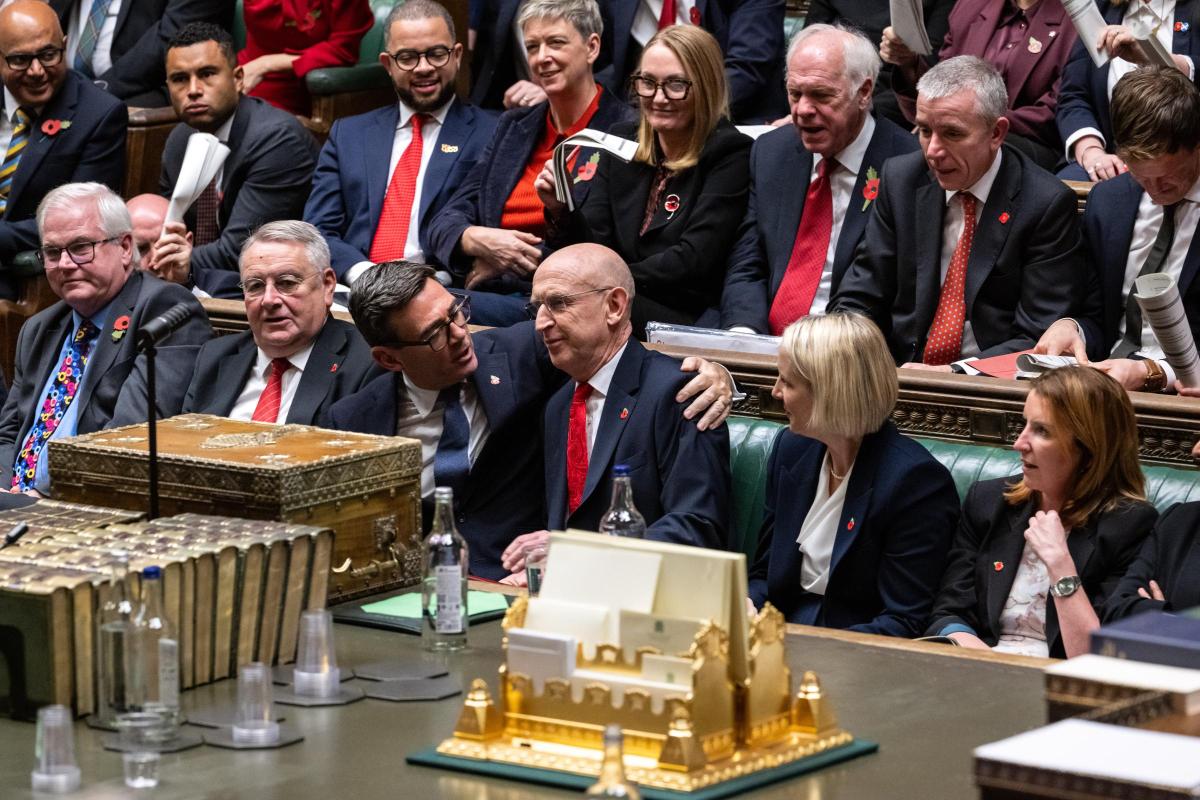
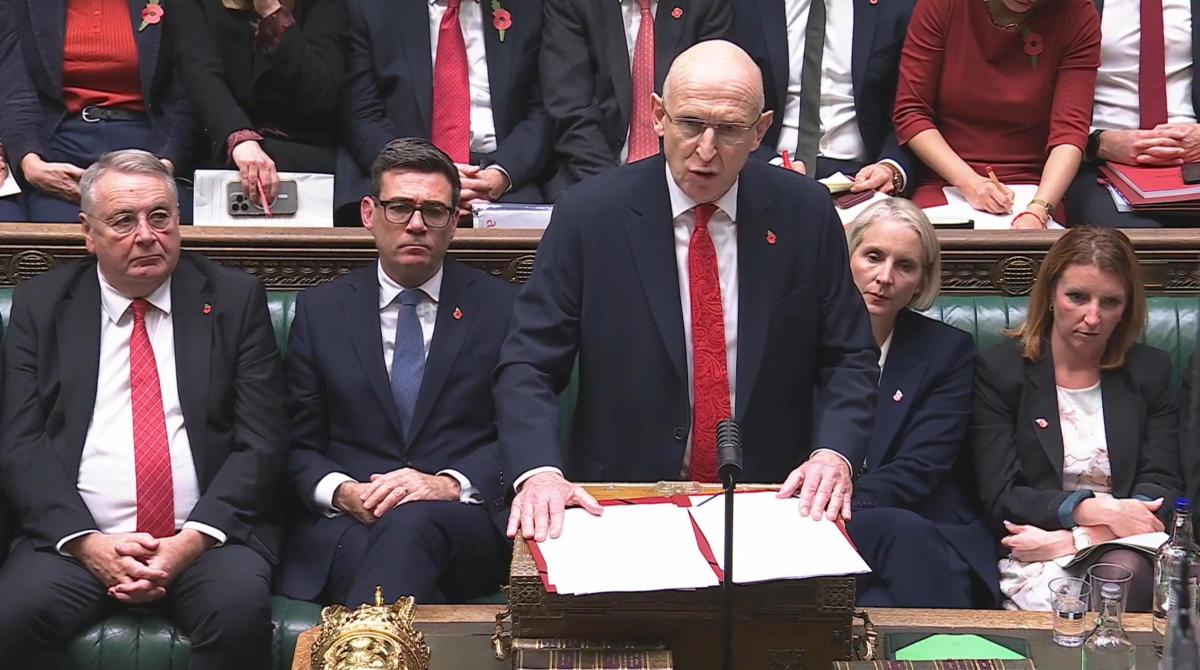
Chancellor John Healey has announced a package designed to give families, savers and businesses some breathing space during a challenging economic period.
And while there's no magic wand to make the cost of living disappear overnight, I think there are some measures worth celebrating.
From £100 landing in millions of bank accounts to a higher State Pension and a new scheme to help first-time buyers, here's what I'm taking away from the Budget – and what it could mean for your money.
1. A £100 boost for millions of households
One of the biggest wins for families is the £100 energy support payment - and the fact that they have chosen to put it in people's banks and not give it directly to the energy companies.
Around 20 million households in council tax bands A to D will receive £100 from the Government this winter, with the money expected to arrive directly in bank accounts from January - a time when most people will need it most.
I particularly like that families will be free to spend the money however they choose. Whether it's going towards an energy bill, the weekly food shop or another household essential, it gives people a little more flexibility.
Some may say it'll get frittered away, but I like the idea that billpayers get to choose - if that's a day out with the kids or new school shoes or even a drink with mates, a cash boost could help the economy as tills ring with a tiny bit more optimism.
There's more good news for energy customers, too.
The Government plans to move some of the cost of standing charges on gas bills into the unit rate. Around 60% of households are expected to save an average of £45 a year.
The removal of VAT from electricity bills is also being extended until July 2031.
Of course, households using more energy could end up paying more under the standing charge changes, so it's worth keeping an eye on how your own bill is affected.
But overall, I welcome the focus on making energy costs more manageable.

2. Pensioners get a welcome boost
There's some particularly good news for pensioners, with the State Pension set to rise to £13,036 a year from next April under the triple lock.
For millions of people who rely on their State Pension to cover everyday essentials, this increase will be an important boost.
I also think the announcement of a new tax allowance for pensioners on lower incomes is worth highlighting.
The measure is designed to protect pensioners from being dragged into paying income tax simply because their State Pension has increased above the £12,570 personal allowance.
This is particularly welcome for those who rely largely on the State Pension and don't have significant additional retirement income - the people who really need some help.
3. Savers get some welcome certainty over ISAs
Did you spot some good news for savers, too?
The planned reduction in the annual cash ISA allowance from £20,000 to £12,000 has been scrapped. That's a big win for anyone who likes the flexibility and tax-free benefits of a cash ISA.
It feels like trusting people to make the right choice with their own money rather than legislating where and how they can save.
It means savers can continue to put away up to £20,000 a year across their ISAs, subject to the usual rules.
I think this is particularly important at a time when people are trying to build emergency savings, put money aside for a deposit or simply earn a return on their hard-earned cash.
However, there is a sting in the tail (when isn't there?). Tax on savings income is set to increase from April 2027. Basic-rate taxpayers will pay 24%, higher-rate taxpayers 44% and additional-rate taxpayers 49%.
This makes making the most of tax-efficient savings options even more important.
My advice is to review where your savings are held and check whether you're making full use of your available ISA allowance.
4. First-time buyers get a helping hand onto the property ladder
One of the most interesting announcements for aspiring homeowners is the new £4.7 billion Your First Home scheme.
The aim is to help around 70,000 households in England take their first step onto the property ladder.
The scheme will offer first-time buyers 20% equity loans, potentially reducing the deposit and mortgage they need to find themselves.
There will be household income limits of £110,000 outside London and £140,000 in London.
For anyone who has been saving for years but struggling to get together enough money to buy a home, this could be a welcome opportunity.
There's also a new First-Time Buyer ISA coming in April 2029, which will replace the Lifetime ISA. For eligible buyers, it's certainly an announcement worth watching.
5. More money in the pockets of 2.3 million workers
This is another announcement I'd put firmly in the positive column.
The National Minimum Wage and National Living Wage will rise by 3.9% in April 2027.
For workers aged 21 and over, the hourly rate will increase from £12.71 to £13.21.
For those aged 18 to 20, it will rise from £10.85 to £11.27.
Around 2.3 million workers are expected to benefit.
For people on lower incomes, even a modest increase can make a difference to the monthly budget.
With food shopping, transport and household essentials continuing to put pressure on finances, having more money coming in is certainly welcome.
However, income tax thresholds remain frozen, meaning some workers could find more of their earnings falling into a higher tax bracket as their pay increases.
It's a reminder that it's not just your headline pay rise that matters, but how much you actually take home.
6. Drivers get a little more breathing space
There's good news for motorists too, and goodness knows, we need it. The fuel duty freeze has been extended, keeping the rate at 52p a litre and cancelling a planned increase in January.
For anyone who relies on their car, this is another welcome measure.
There's also good news for people who use their own vehicles for work, with the higher tax-free mileage allowance of 55p being made permanent.
That should provide some reassurance for employees who use their cars for business journeys and claim mileage expenses.
With motoring costs adding up quickly, keeping these allowances in place is a positive step.
Pensioners with income up to the value of the full new state pension (to be £13,040 from April 2027) will not pay tax. Mechanism not stated, I suspect there will be an effective increased pensioner allowance with a clawback for income above that. More when I know more. #Budget2026
— Martin Lewis (@MartinSLewis) October 28, 2026
7. A welcome lifeline for the high street and small businesses
I'm also encouraged by the business rates announcement.
The threshold for small business rates relief for retail, hospitality and leisure businesses is increasing from £12,000 to £18,000.
The Government estimates this will take around 70,000 additional businesses completely out of paying business rates.
That's potentially a significant saving for independent shops, restaurants, cafés and other businesses that are the backbone of our local communities.
For businesses trying to keep their prices competitive, invest in their premises or take on staff, reducing overheads could make a real difference.
A thriving high street is good news for everyone, so I'm pleased to see measures aimed at supporting the businesses that keep our communities going.
8. There are reasons to be optimistic about Britain's economy
The global economic picture is undoubtedly challenging, particularly with the conflict in the Middle East putting pressure on energy prices.
But there are some encouraging signs in the forecasts.
The OBR has increased its growth forecast for 2026 from 1.1% to 1.2%.
While growth for 2027 has been downgraded to 1%, the longer-term forecasts point towards growth of 1.6% in 2028, 1.8% in 2029 and 1.7% in 2030.
There is still work to do, but I think it's important to look beyond the immediate economic headlines and recognise that there are opportunities for improvement.
The big priority now must be making sure economic growth translates into better wages, more jobs and more money in people's pockets.
My verdict: plenty of positives for our pockets
Let's face facts - times are pretty tough. Most people are struggling - food and fuel cost far too much. But, for me, the biggest takeaway from this Budget is that there are some practical measures that could make a difference at different stages of our financial lives, and no big shocks to make matters worse.
Whether you're a pensioner, a first-time buyer, a family with young kids, a saver or a small business owner, there is something in this Budget that could help.
I'm particularly pleased to see the State Pension increase, the protection for lower-income pensioners, the decision to retain the £20,000 ISA allowance and the new support for first-time buyers.
The £100 energy payment and minimum wage increases are also welcome measures for households feeling the squeeze.
Recommended reading:
- Gas standing charges to be scrapped in major Budget energy bill shake-up
- Martin Lewis highlights cheaper way to dry washing as households face higher bills
- Minimum wage to increase to £13.20 an hour as John Healey announces Budget pay boost
Of course, there are still challenges ahead. Inflation, borrowing costs and weaker growth forecasts show that the economy isn't out of the woods yet.
But I think it's important to recognise the positives too.
My advice? Take a fresh look at your finances and make the most of any changes that could benefit you. Check your pension, review your savings arrangements, look at your ISA allowance and, if you're hoping to buy your first home, keep an eye on the new scheme.
It's not a Budget that's going to change everyone's financial fortunes overnight, but there are some encouraging steps in the right direction.
And with household budgets needing all the help they can get, that's certainly something worth celebrating.


Share