


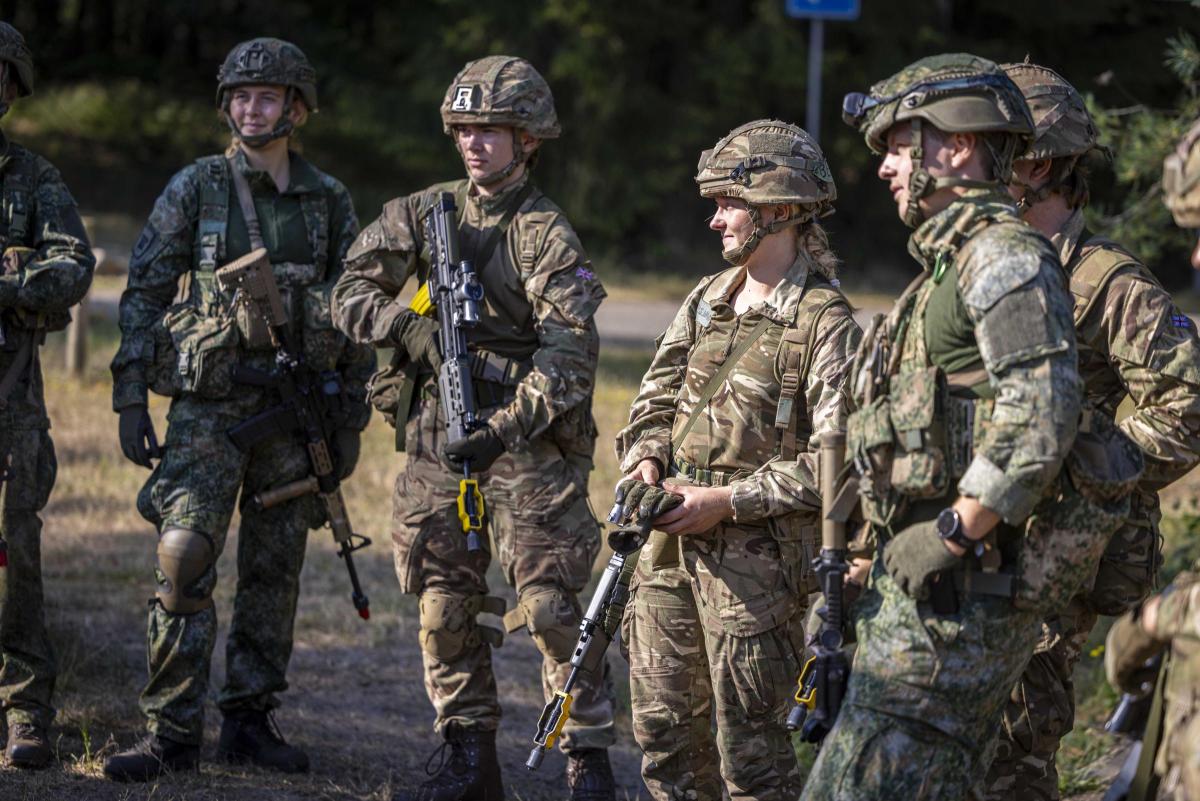
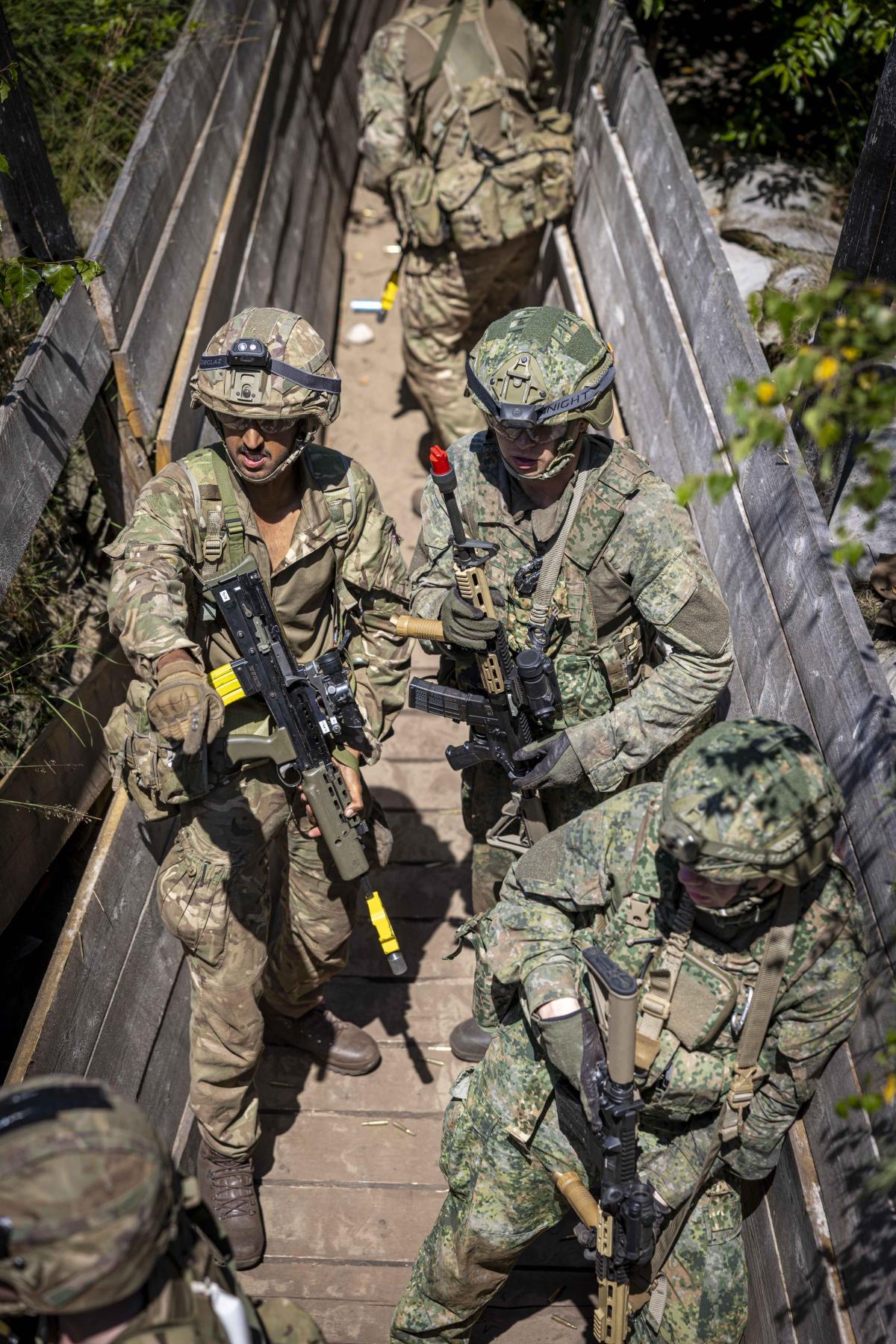
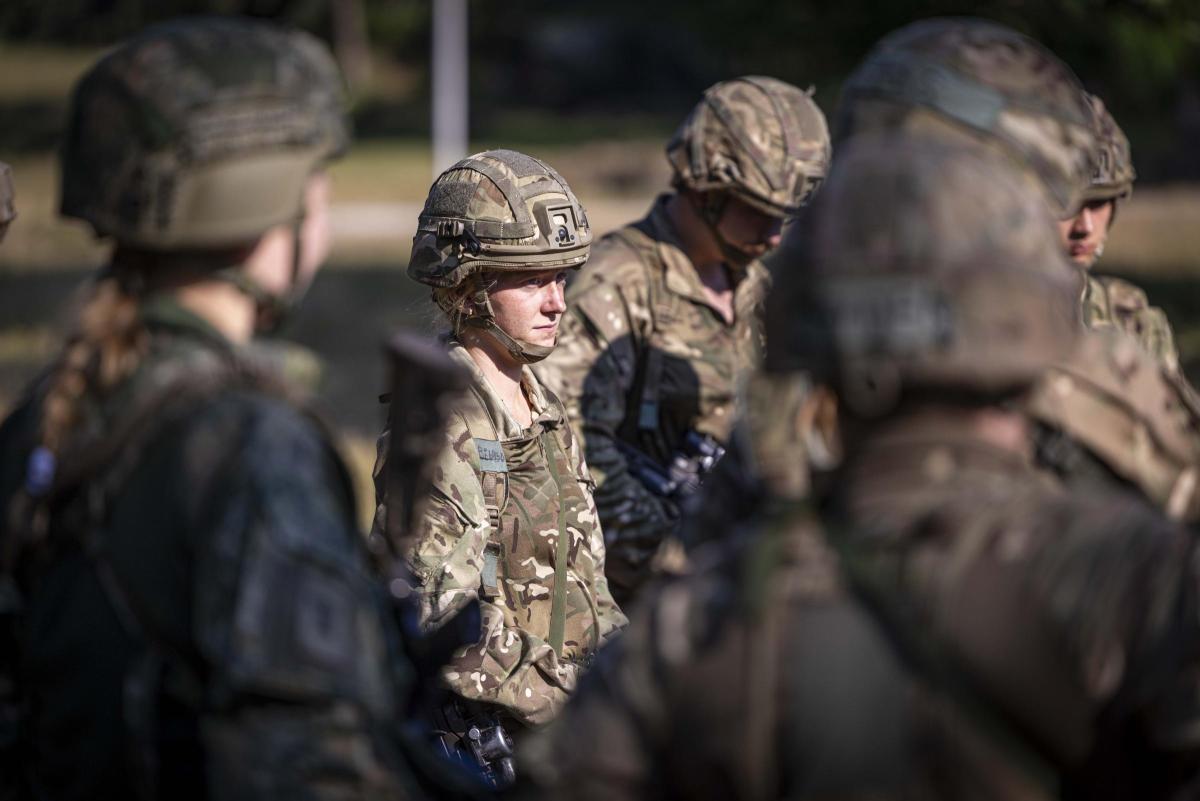
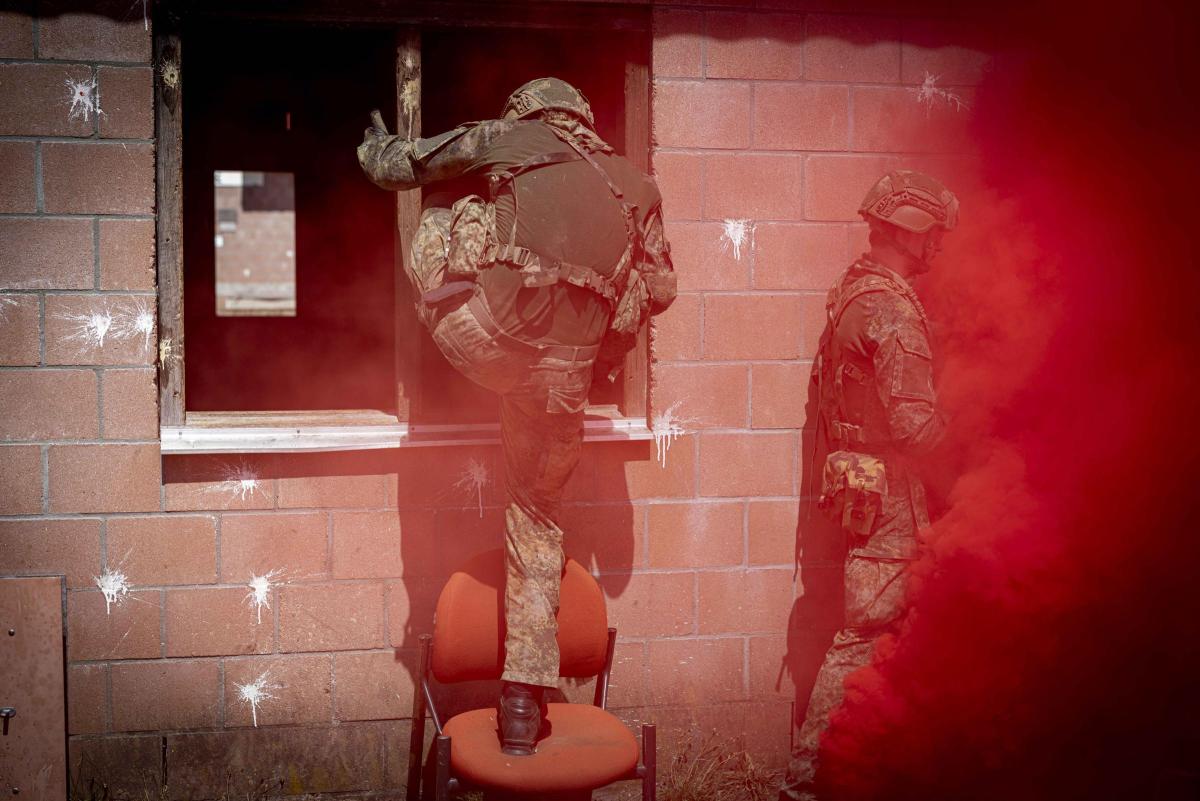
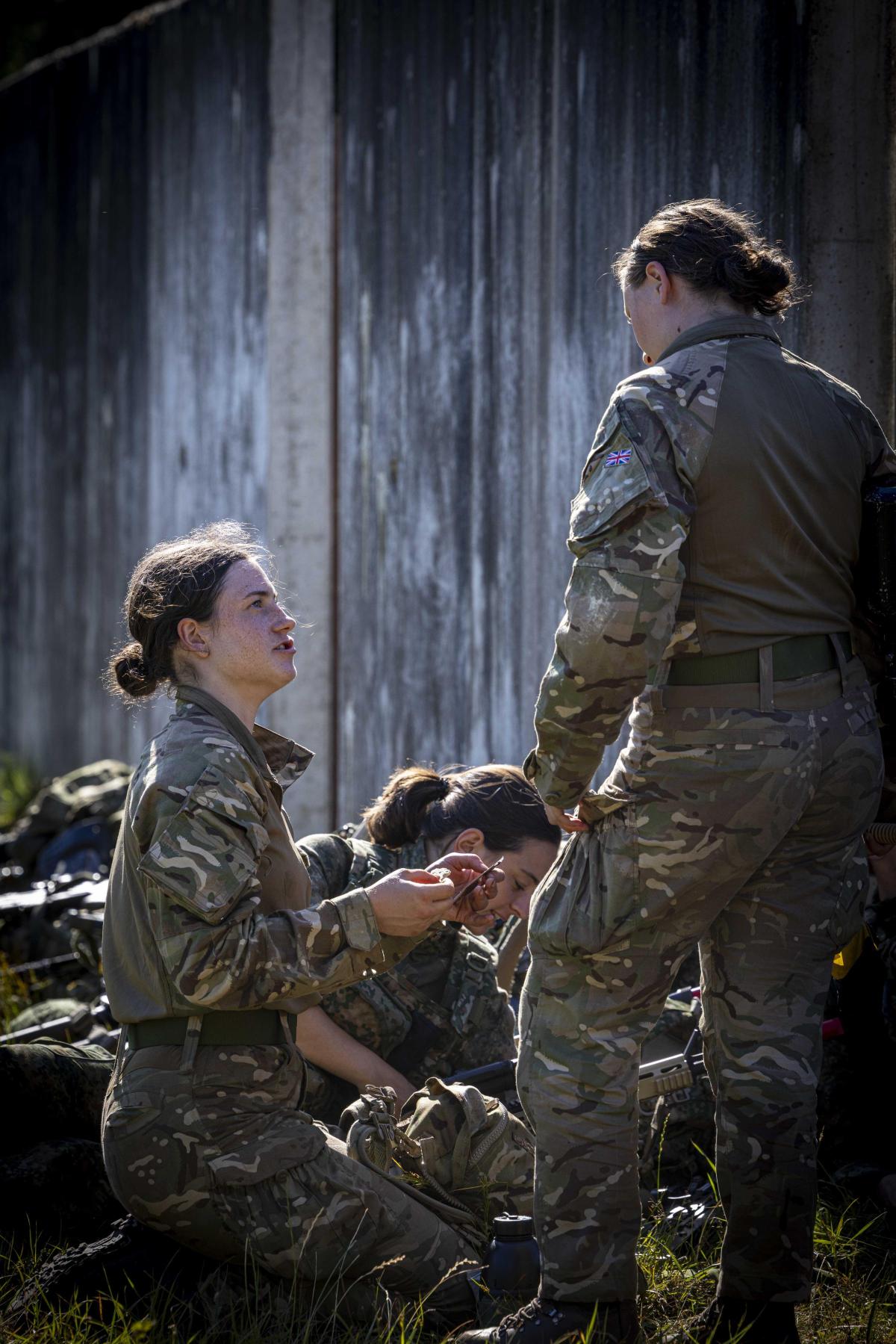
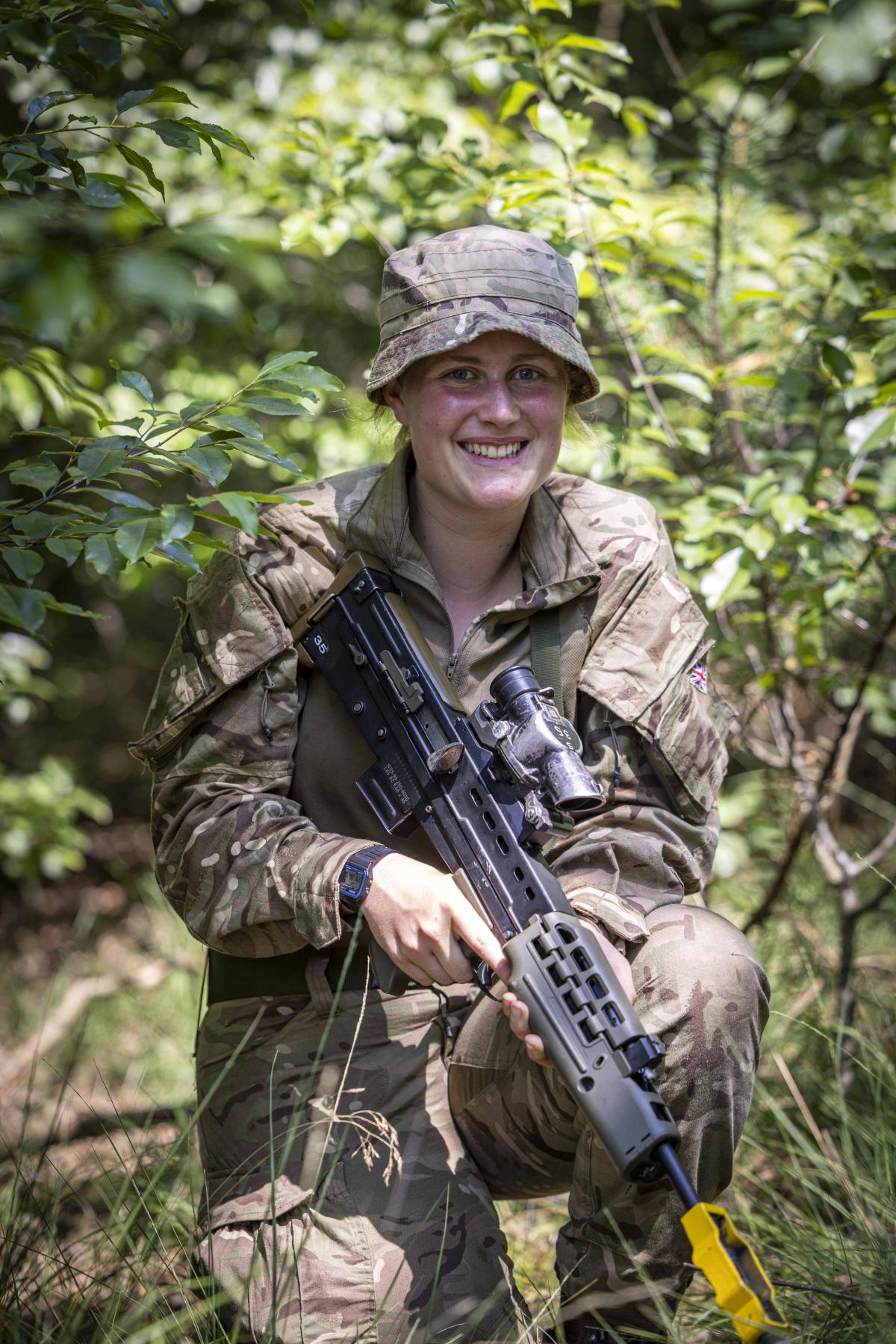
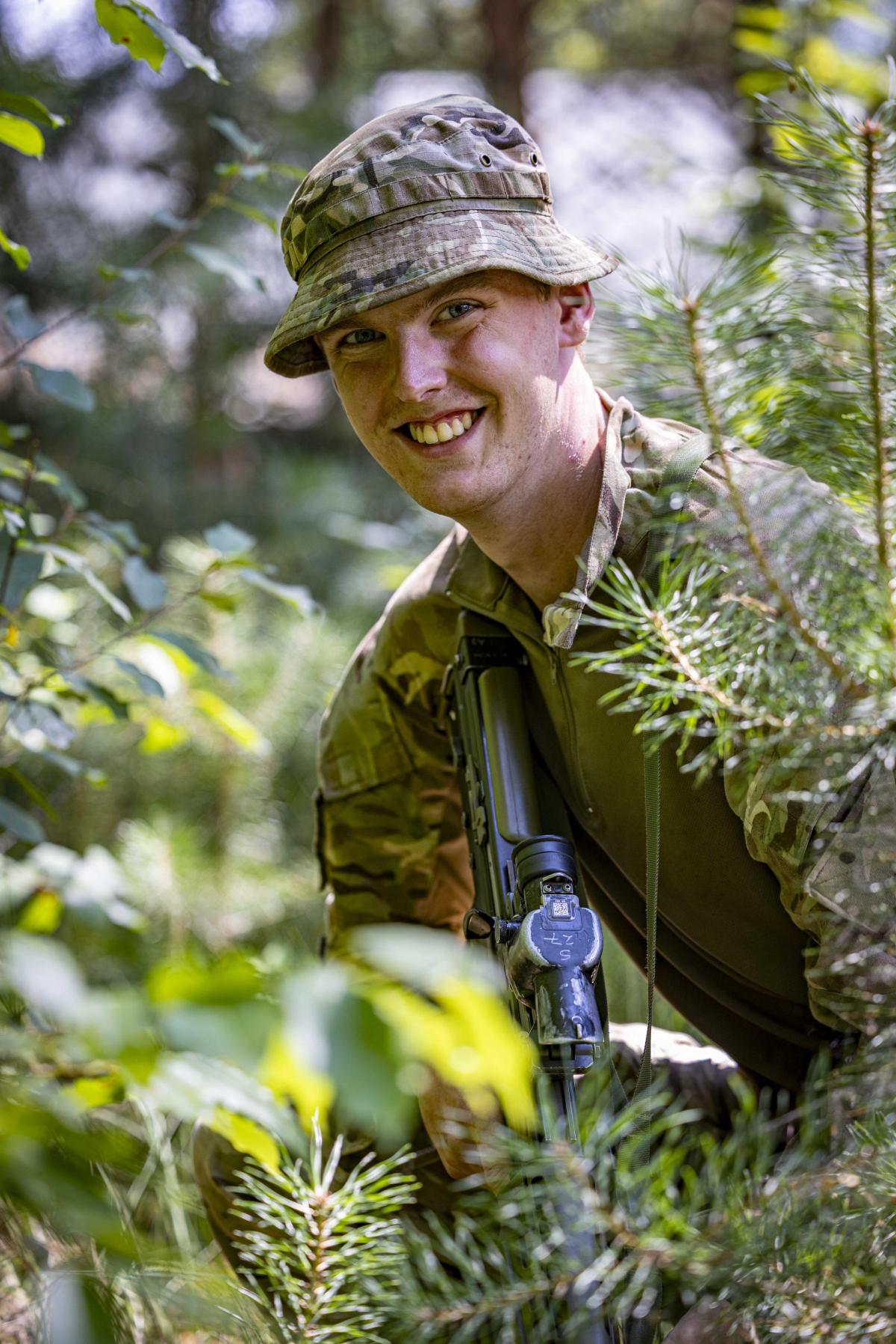
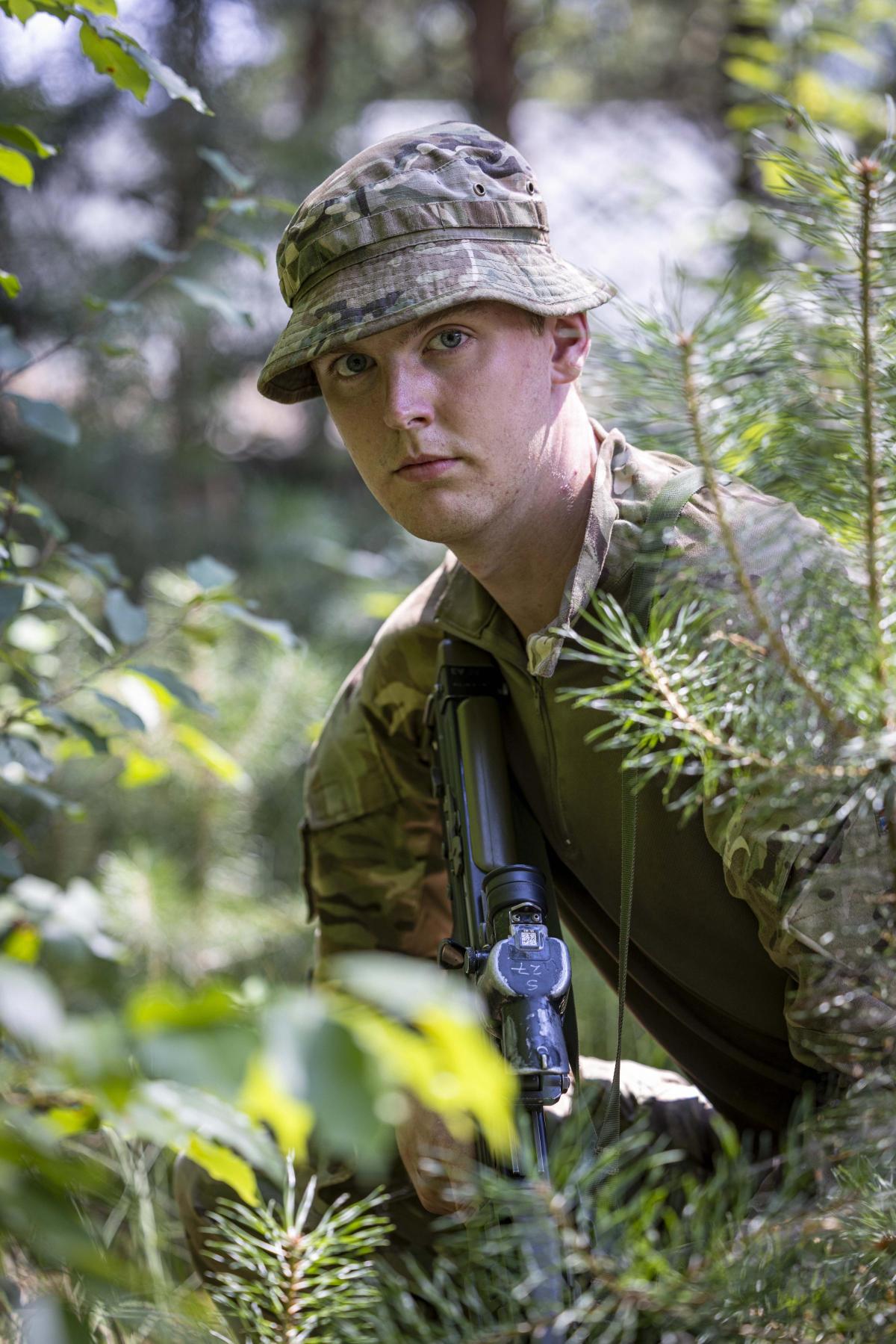
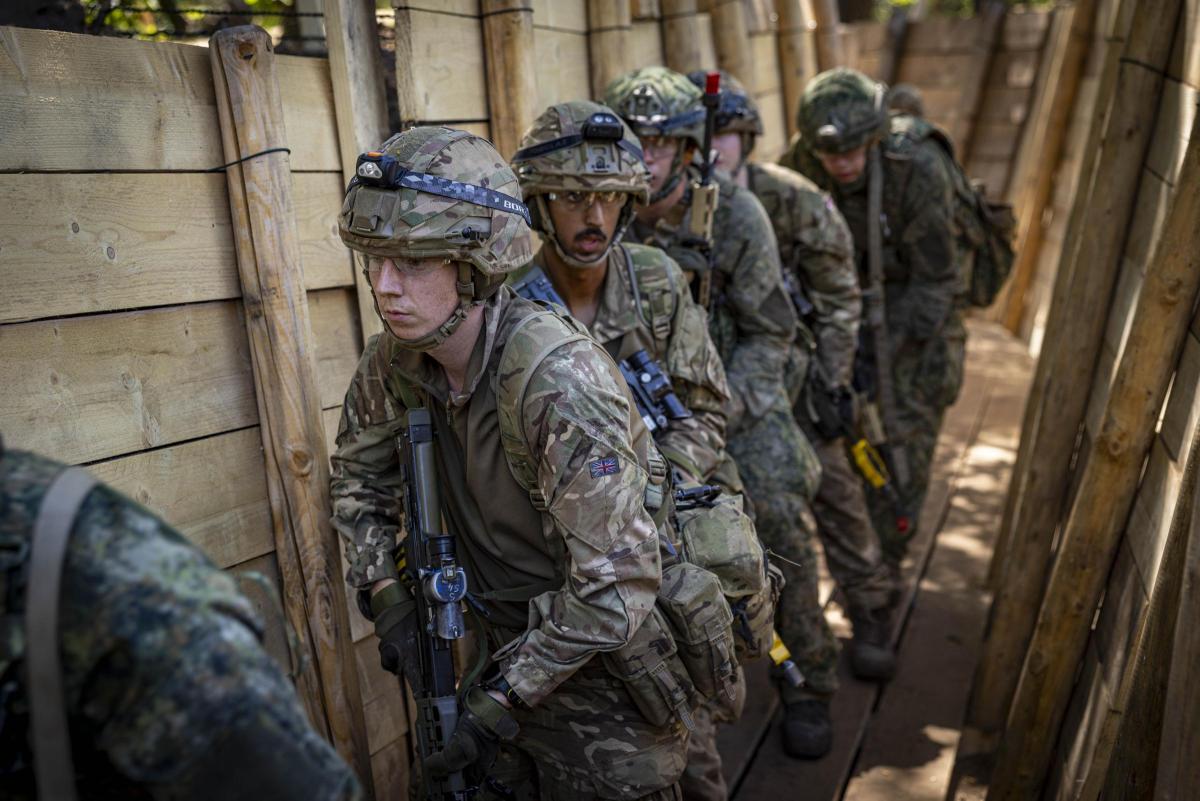
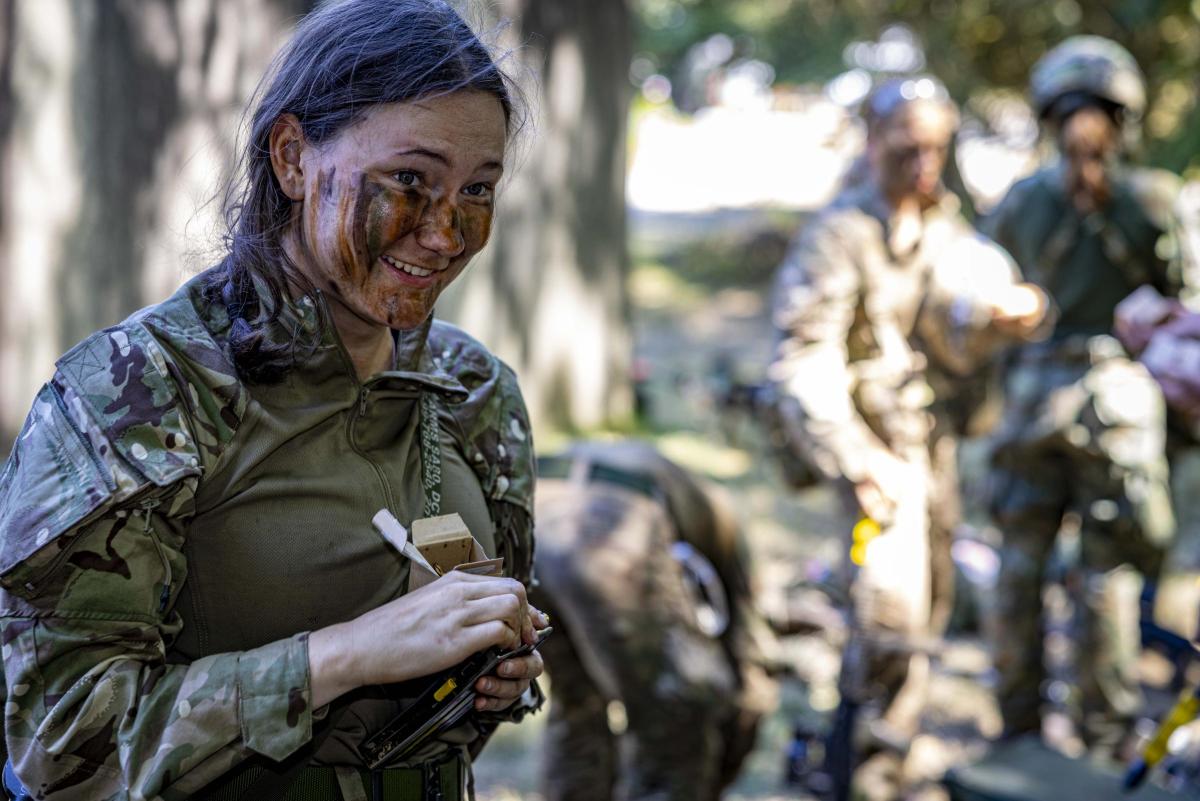
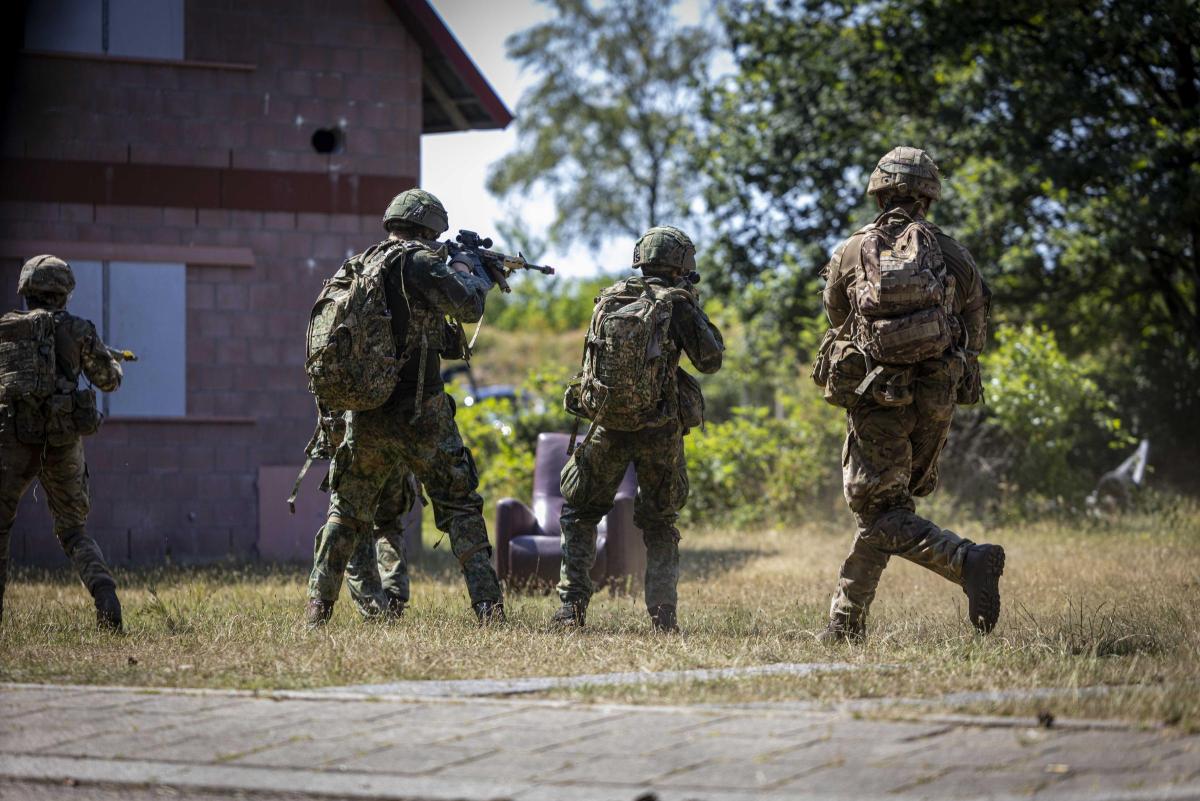
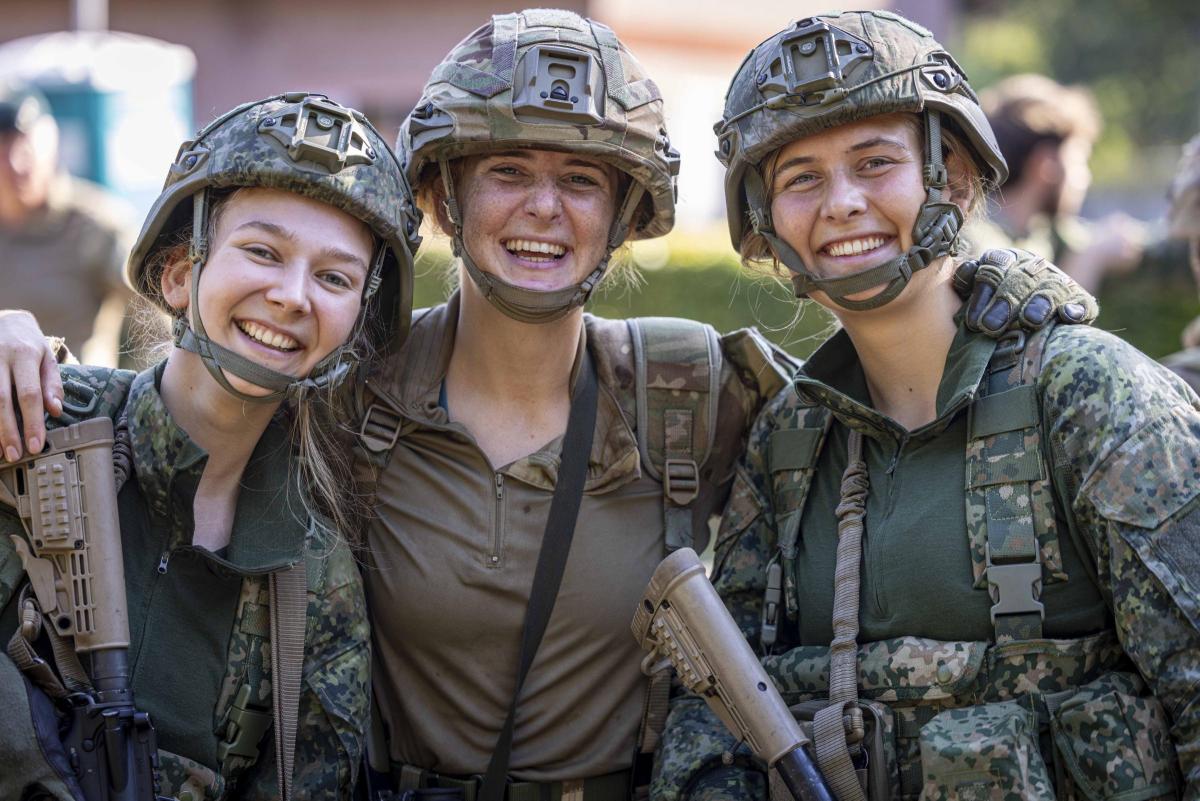
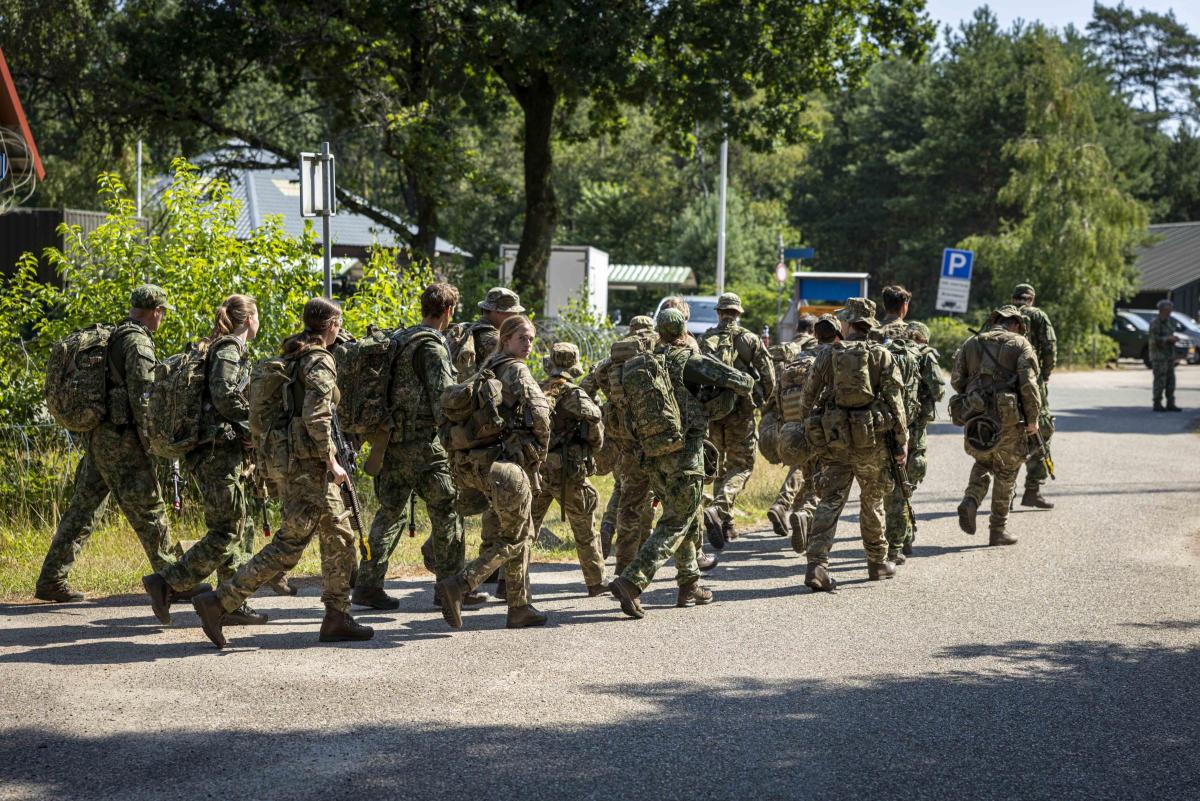
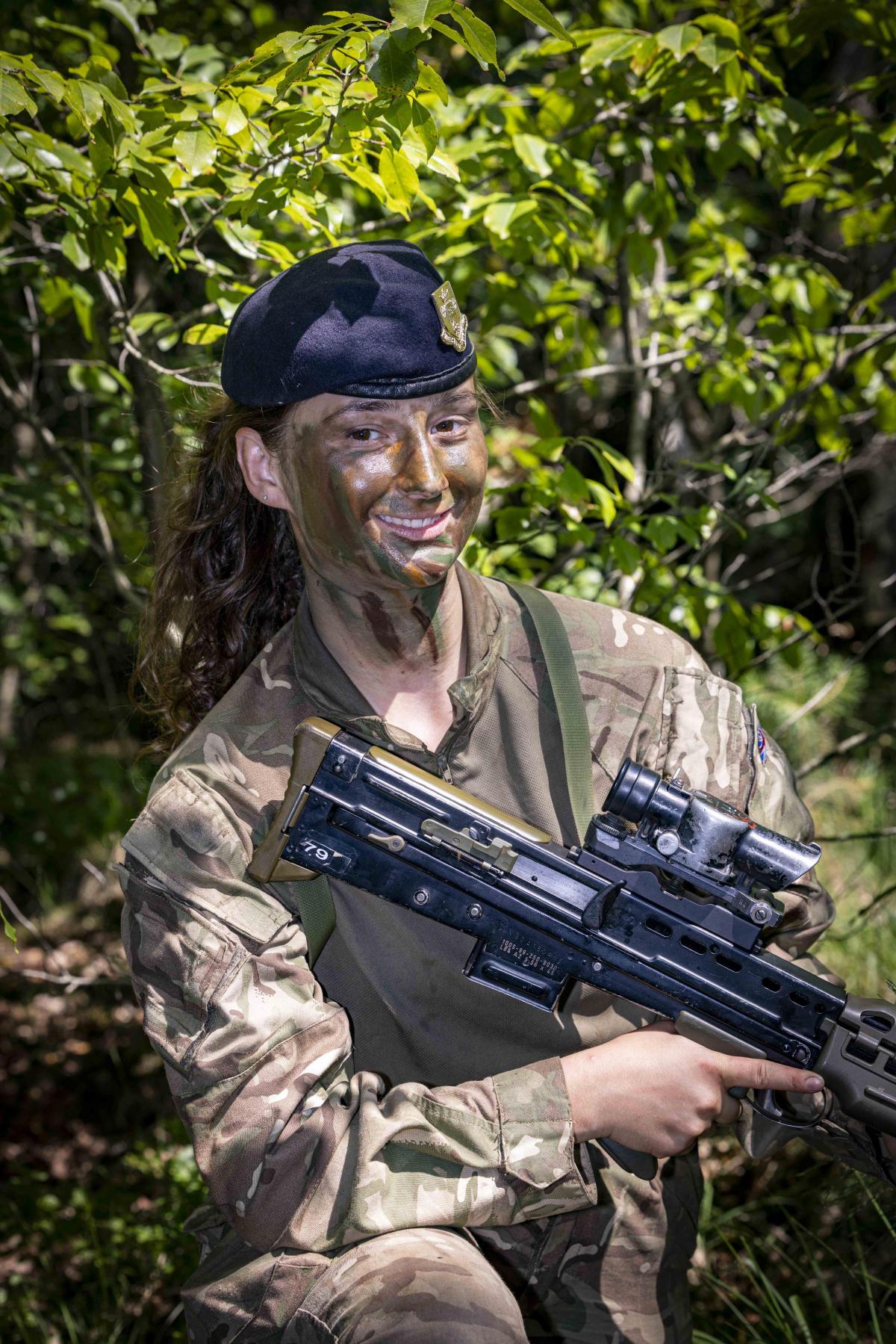

Students from the University of York swapped booze and beaches for bayonets and battle prep at an annual training camp in the Netherlands.
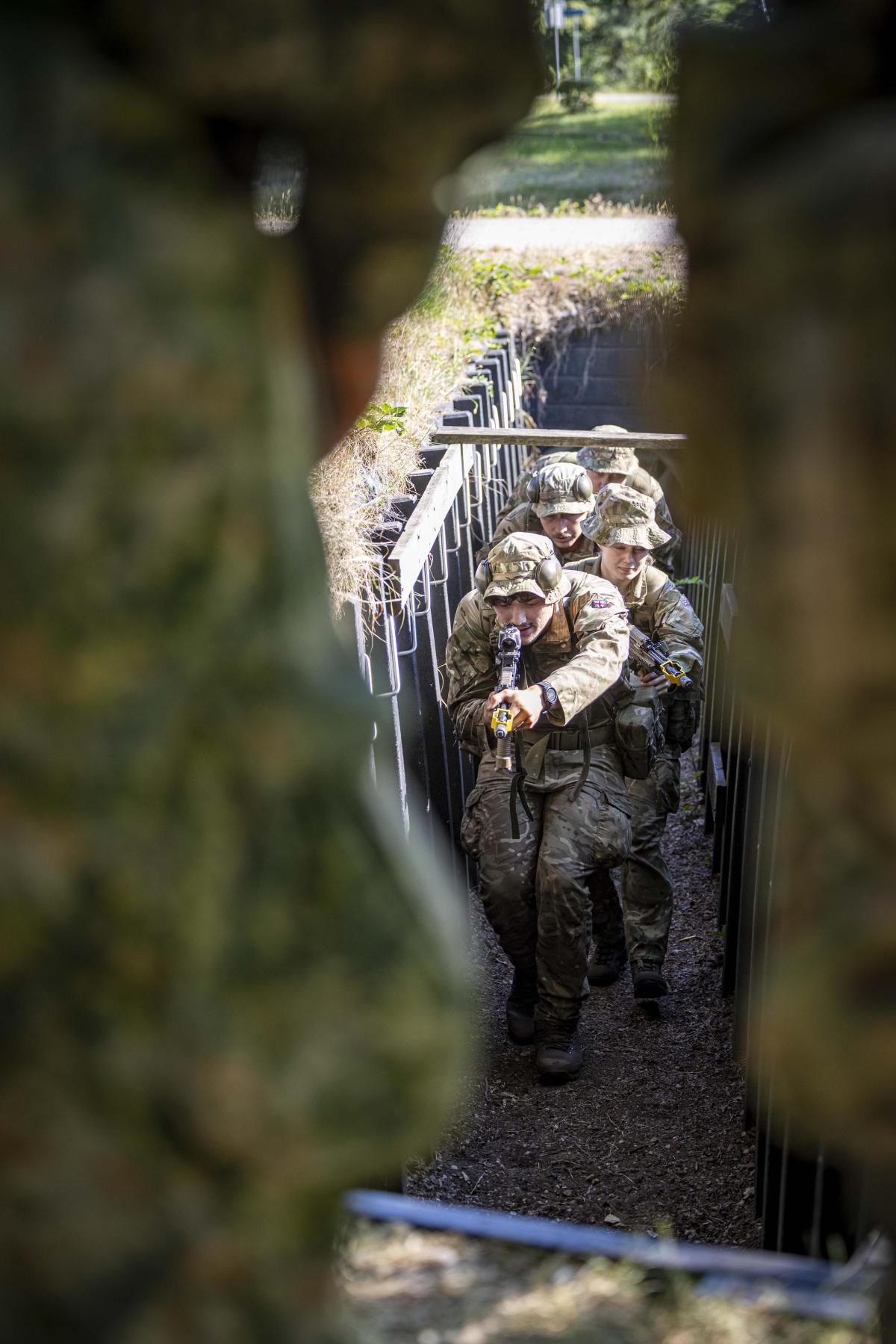
While their mates were enjoying more conventional summer holiday action, students of the Yorkshire Officers' Training Regiment (YOTR) were practising trench drills, street fighting in a fake town, and close-quarter combat in the woods.
The YOTR is part of the British Army's University Officer Training Corps (UOTC), offering students paid leadership, military, and adventurous training designed to fit around their studies.
READ MORE: Federation 'angered’ that PC’s killers could be released
The scheme draws from around 170 universities across the UK, including 10 in Yorkshire.
Officer Cadet (OCdt) Monty Walker, 20, found his talent for numbers came in handy when planning military manoeuvres.

The University of York second-year Accounting and Finance student said: "The maths side and ability to do equations has come into play, for example when planning an exercise, looking at speed, distance, time."
Monty has been one of around 200 British OCdts training with 175 Dutch counterparts at their two-week camp, this time in Harskamp, about an hour from Amsterdam.
"The biggest challenge has been the heat.
"We wake up a bit earlier, drink lots of water and take off our helmets whenever possible," said Monty, whose dad was in the Royal Gloucester, Berkshire and Wiltshire Regiment and uncle in the Royal Yorkshire Regiment.

Monty, whose mum grew up in Boroughbridge and granddad is from Ripon, is in his second year with the UOTC and recognises how much he has grown since getting his first taste of military life.
"The first year I think I put my beret on backwards.
"I've enjoyed the opportunity and learnt a lot about myself.
"I've also learnt how to communicate with people more clearly.
"I enjoy being around my friends and like-minded people that like the outdoors.
"The UOTC gives you new opportunities you wouldn't get at university and it's paid," he said.

Year 1 OCdts get £53.18 a day, which rises to £62.20 in Years 2 and 3, with no set amount of days required to be involved.
Cadets start with learning the basics of soldiering and how to survive in the field, building up to commanding a section (seven to 12 soldiers) and later a platoon (25 to 30 soldiers).
The scheme for Dutch cadets, which this year marks 10 years, includes a work placement with their Ministry of Defence or Armed Forces for one or two days a week.
Monty is considering his options but is looking at joining the Rifles regiment or artillery in the future.
"Don't hesitate, get your medical done, and get fully involved, it's an experience no-one else at uni will have," he said about YOTR.

Owen Summerscales, 21, is about to start his Masters in International Relations following a degree in History, both at the University of York.
He is now in his final year with the YOTR and plans to enrol at Sandhurst Military Academy in September with a view to join the Light Cavalry or Light Dragoons.
"My dad was a soldier in the Royal Electrical and Mechanical Engineers.
"He joined in 1990 and served until 2013, leaving as a WO2 (RQMS), so I grew up with his stories.
"He's quite gassed I'm planning to join," he said.

It's clear the UOTC has been life-changing for young people like Owen.
"Nothing else at university pushes me like the UOTC does; physically, mentally and emotionally.
"What surprised me was how much I can do physically.
"I have been shocked at what my body can do.
"For example, the trench attack I had to jump 8ft from ground level.
"Had I been by myself, I would have had a look and lowered myself down, but with a full section behind me and gunfire, I jumped, made it and didn't die.
"That applies to a much wider range of things," he said.

The leadership and confidence skills have also made an impact on Owen's studies.
"When I'm in a seminar and being able to think on your feet.
"For example, a task like analysing all of the primary sources of Joan of Arc and then being able to present my opinions to the class and debate it and have the confidence to do that," said Owen, who also received a York Award - recognition from the university of a student's personal and professional development outside their degree.
He added despite the language barrier it had been "really interesting" working with his Dutch colleagues.
"Some bits of training the UK takes the lead and some things the Dutch are really good at.
"Something I've learnt doing History - every source is valuable," he said.
YOTR Commanding Officer Lieutenant Colonel Simon Pollitt said: "I'm incredibly proud of how the Officer Cadets have come together as a team in what have been tough conditions.
"They are at a point in their life where they are growing exponentially and the skills and behaviours they have gathered when they leave university, well, the world is their oyster."

Lieutenant Colonel Pieter van der Peet, of Defensity College, which runs the Dutch student programme, said he felt similarly energised.
"It has been nice to facilitate [training] together.
"The Officer Cadets are sponges, very curious, very enthusiastic.
"They have this experience in their backpacks now and can fall back on their experience when they are under pressure.
"I'm very proud of their learning curve."


Share