




Alcuin: how York’s most famous teacher lives on today, by DAVID WILSON
ALCUIN was York’s most famous teacher and left a lasting legacy.
He was also known as Ealwhine, Alhwin or Alchoin, but posterity has remembered him as Alcuin.
At several places around York, you’ll encounter the name of Alcuin.
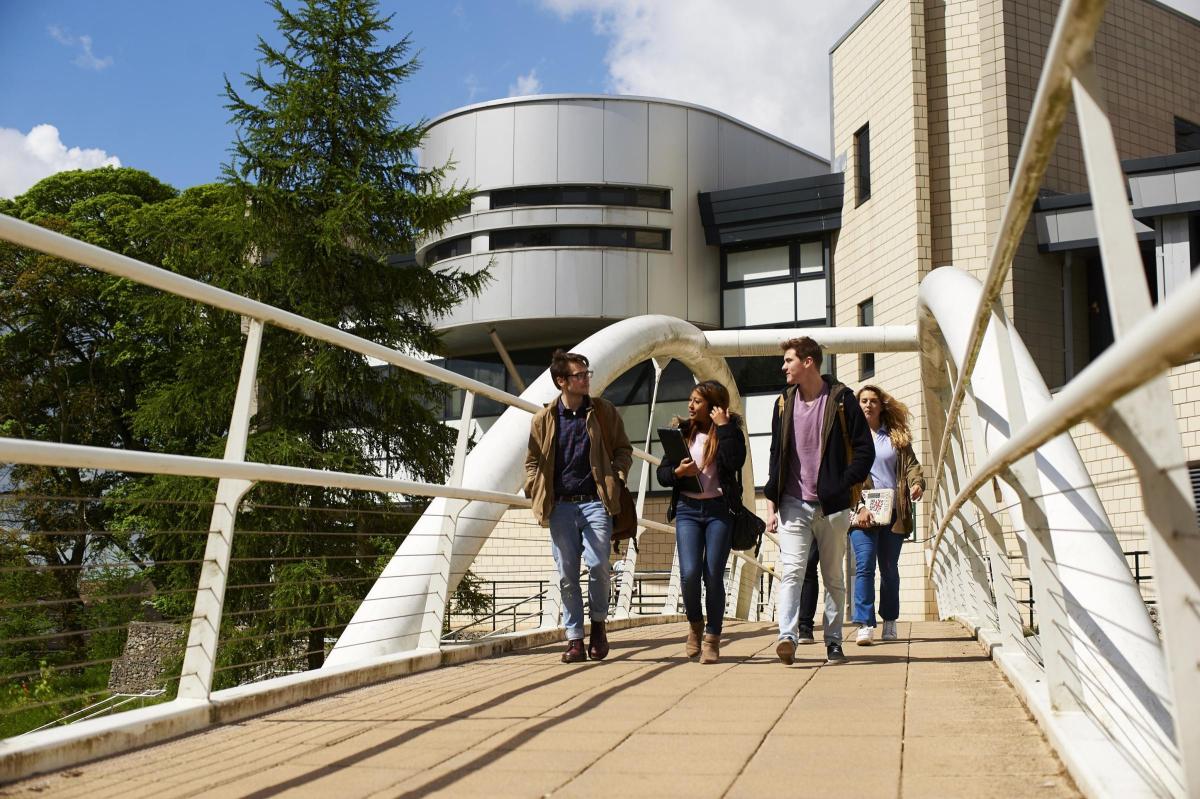
Best known to students at the University of York, he gave his name to one of their constituent colleges.
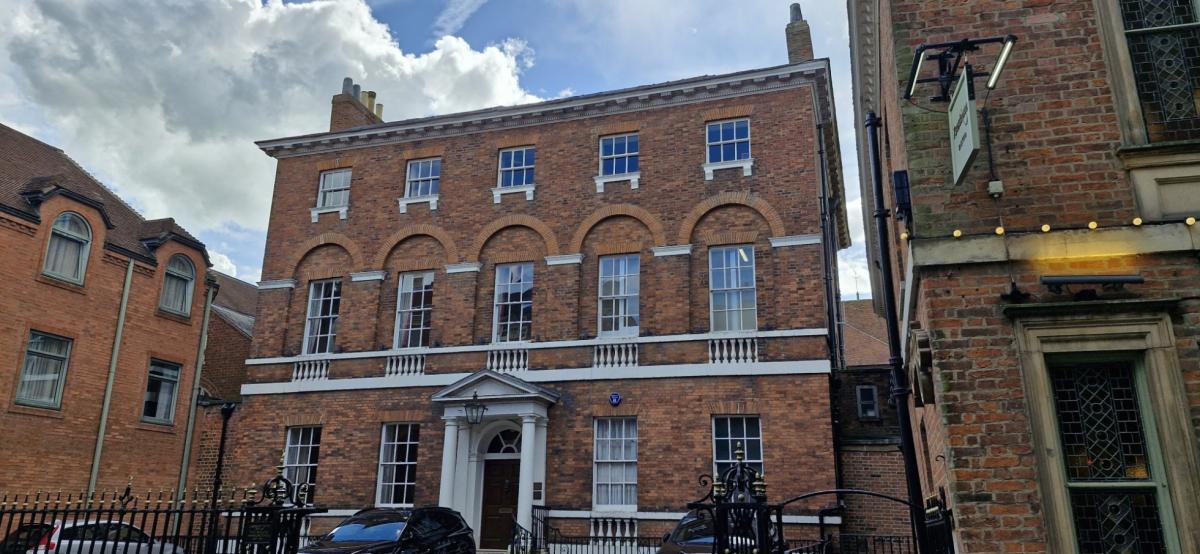
His name figures in the title of a York Freemasons’ Lodge based at Castlegate House.
In the York Guildhall there’s a stained-glass window depicting the history of York and in one of the panels there’s an imaginative reconstruction of Alcuin teaching his pupils.
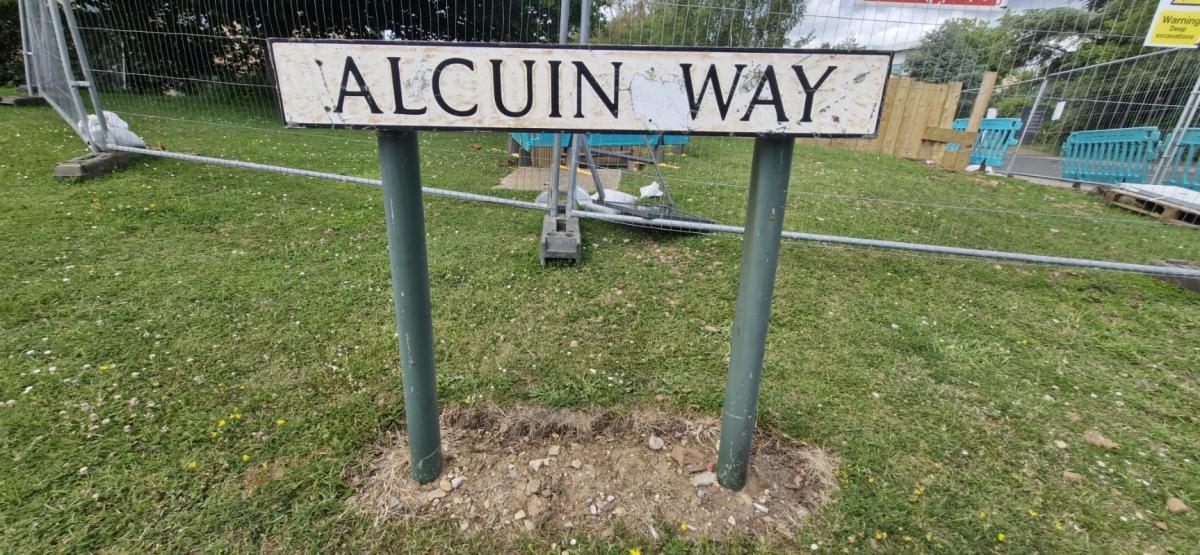
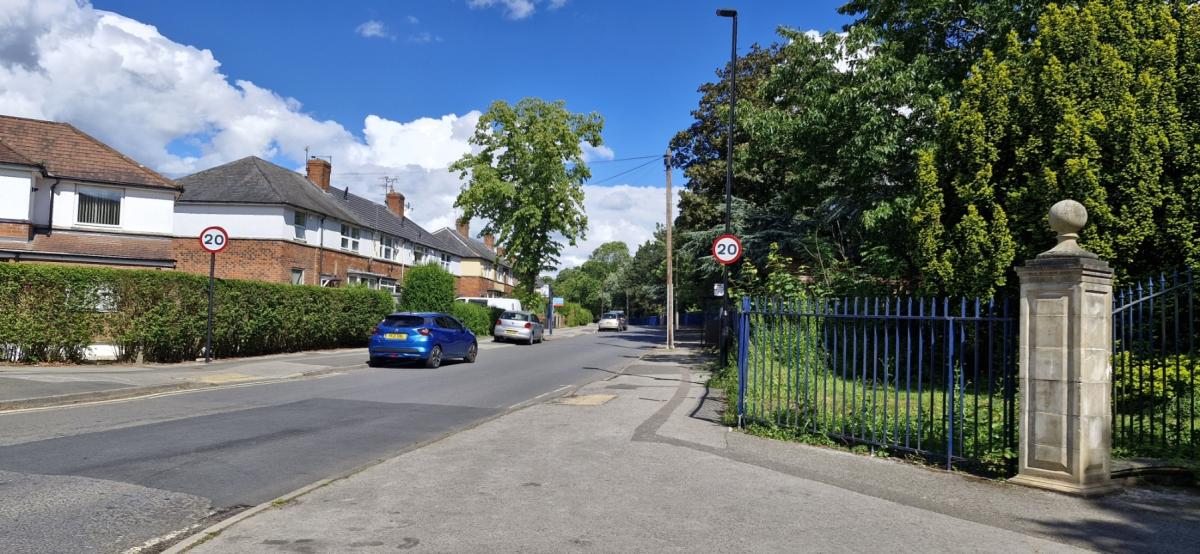
And there are even two roads commemorating him in the city: Alcuin Avenue and Alcuin Way.

His fame spread beyond the shores of these islands: there’s a roof statue of Alcuin on the Museum of the History of Art in Vienna. But who was he? And how much do we know of him?
Alcuin was born near York around 735 AD in the Early Middle Ages.
Tradition has it that he was of ‘noble English stock’, but virtually nothing is known of his family background. He was fortunate to grow up in a relatively peaceful period of the Anglo-Saxon kingdom of Northumbria.
What we do know is that he came to the episcopal school at the cathedral of St Peter in York and was tutored by Archbishop Ecgbert, a former pupil of the Venerable Bede from the twin monasteries at Jarrow and Monkwearmouth.
Alcuin thrived as a pupil at the York school, which was a forerunner of present-day St Peter’s.

As a boy, Alcuin studied a range of subjects based on the curriculum known as the Trivium and Quadrivium. These subjects included grammar, rhetoric, logic, astronomy, geometry, arithmetic and music as well as theology.
He graduated to become a teacher himself at the York school, and later still became its headmaster when Aethelbert became Archbishop of York in 767.
In this capacity his fame spread as an outstanding scholar and teacher. York’s cathedral school was a major European centre of learning.
At about this time, Alcuin became a deacon, the lowest rank of ordained clergyman. There’s no evidence that he went on to become a priest nor even the member of a monastic order, although he lived the disciplined life of a monk.

He spent several years teaching and directing the York cathedral school. He would have known the libraries at Monkwearmouth, Jarrow and Lindisfarne; in this period of history, scholarship and learning were kept alive within the monastic houses, and Alcuin set about developing the York library which had been founded by Archbishop Ecgbert.
Read next:
Sadly, this collection was entirely destroyed, most probably when the city was sacked by the Danes in 866-7 and during William the Conqueror’s Harrying of the North in 1069.
Through his pupils and his growing fame as a polymath and teacher, Alcuin would have had access to the highest reaches of Northumbrian society, and in 780-1, the Northumbrian king Aelfwald sent Alcuin on a mission to Rome to seek papal confirmation of Eanbald as the new Archbishop of York.
Around Easter 781, on his return journey, Alcuin had a chance meeting with Charlemagne in Parma. Charlemagne was the Frankish king, ruling an expanding area that eventually covered much of modern-day France, Germany, Belgium, the Netherlands and the north of Italy.

Charlemagne greatly admired Alcuin for his prodigious learning and invited him to come and be head of the itinerant Palatine school later to be established at his royal capital in Aachen.
Charlemagne wanted Alcuin to bring the very best of English education to his kingdom. He recognised this English scholar as someone who could help him achieve a renaissance of learning.
Alcuin served as teacher and principal advisor to Charlemagne, his family and the families of the Carolingian nobility from around 782-6 AD, as well as English ambassador.
At the same time, he established a library in Aachen modelled on the York library.
He also wrote theological treatises and played a key role in revising and standardising liturgical practices in the church.
Alcuin made a major contribution to the development of Carolingian minuscule, a script which later became a calligraphic standard in the medieval copying of books.
He also wrote poems and was a prodigious letter-writer, most of which were written after he’d moved to the continent.
None of Alcuin’s libraries survive, but copies of his poems and letters were made in monastic scriptoria throughout the Middle Ages, providing penetrating glimpses into the character of this great man. He wrote letters giving written advice to English royalty and to many of his former pupils in Aachen and York, sometimes using affectionate pet-names. The letters give us a host of information about a period of intense historical change in Europe. We also learn from Alcuin’s writings personal details such as his favourite food, which was porridge with butter and honey.
Alcuin eventually retired to the Abbey of St Martin in Tours in 796, remaining there as abbot until his death in 804.
In his letters and poems, he shows great sadness for the sacking of Lindisfarne with the partial destruction and dispersal of its library in 793 by Viking raiders.
Above all, he expresses profound nostalgia and longing for his native country and the city of York which he loved deeply.
David Wilson is a community writer with The Press


Share