


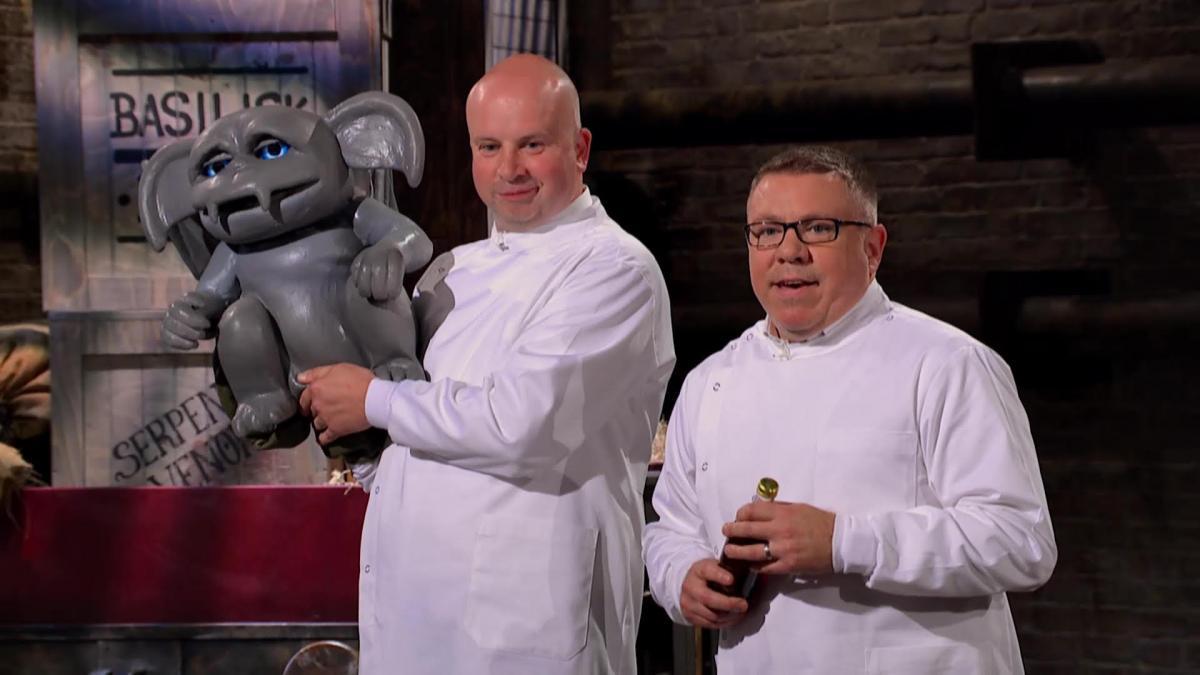


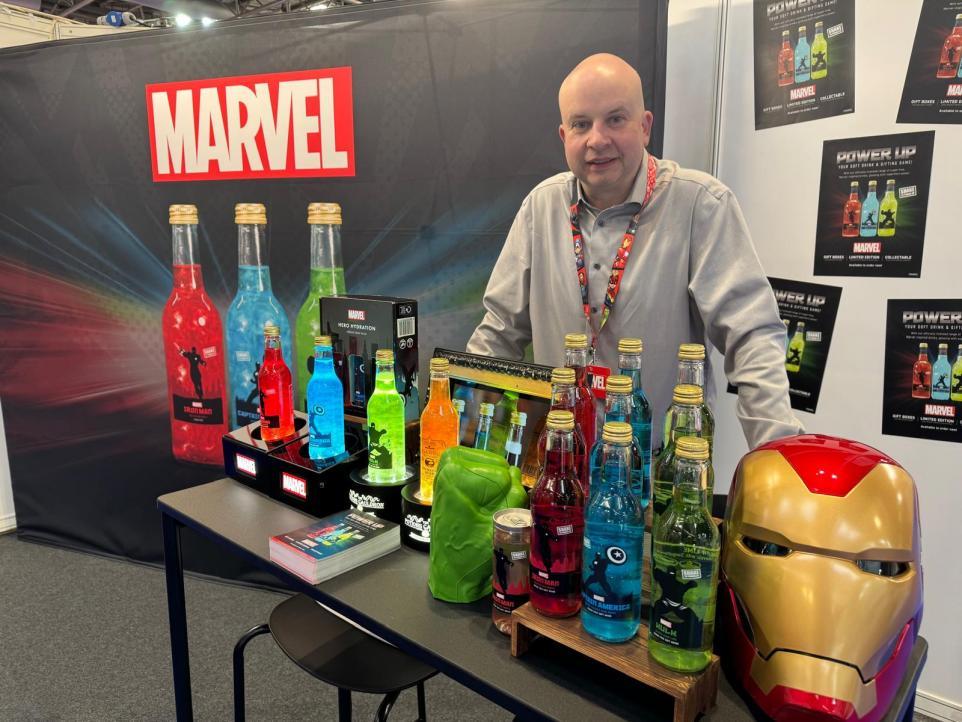

ICONIC York business The Potions Caudron Ltd went under owing almost £3 million, reports produced by the administrators have revealed.
The company, known for The Hole In Wand mini golf courses and its range of non-alcoholic drinks, entered administration in April, but practically all of the business was saved through a pre-pack administration sale for £300,000.
The sole director of the new business, known as The Potions Group Limited, is Robin Fry, the father of the co-founder of the original company Ben Fry. Stuart Jarman, managing director of the former company, is also listed as a minority shareholder in the new company.
Two reports have now been published on Companies House detailing the debts and the reasons behind the failure of the original business, which continues as a separate entity under new ownership.
RECOMMENDED READING:
- Ben Fry of former Potions Cauldron Ltd declared bankrupt
- 80 jobs saved as Potions Cauldron enters administration
- BTG explains on saving of iconic Potions Cauldron of York
- Potions Cauldron Group recalls 2025 as its growth continues
The second report, known as a Statement of Administrator’s Proposals, recalled how the business grew, opening two venues a year, growing to 11 sites and employing more than 70 staff.

It encompassed The Hole In Wand Mini Golf Venues, The Potions Cauldron drinks business, and The Potions Academy potion-making venture alongside a separate wholesale business and a growing range of other licensed products.
Each new venue needed £350,000 for initial capital expenditure and this was sourced from UK lenders, many of whom were provided with personal guarantees by the directors as security.
One report said: “The company's financial statements demonstrate its rapid growth, with total revenues of £1.94 million in the year to March 2023 rising to £2.38 million in 2024 and again to £3.25 million by March 2025.

“Profits also increased markedly during this period, reaching a peak of £266,000 for the year to March 2025, up from £121,000 in 2023 and £144,000 in 2024.
However, despite the strong revenue growth, healthy profits and the wholesale business performing strongly, several sites performed poorly on opening, causing a drag on the wider business, it said. This meant that profits from the performing locations were being swallowed by losses elsewhere and debt interest.
The report also notes a flood at the Chester The Hole In Wand closed the business for three months, and due to insurance disputes, cost the business £250,000.
A new government recycling tax on glass bottles reduced sales and resulted in a move towards cans, costing £75,000 in development.
“Local policy changes” in York, and reduced footfall in York and Blackpool harmed trade in both locations. Higher National Insurance charges on employers also hit the growing business.

In 2025, the company sought a new equity partner to generate investment and new funding and to consolidate existing debt to secure the company. But sadly, it was unable to find one.
Debt servicing payments were ‘crushing’ cashflow, and certain creditors were threatening formal recovery action.
The directors were referred to BTG Begbies Traynor (London) , and it was clear the business was insolvent and unable to meet its obligations to creditors as and when they fell due “but that elements of the underlying business were strong".
This led BTG Advisory Group to start an accelerated marketing exercise, leading the company to find lenders, who were able to support a sale. One financier was invited to place the company into administration, so a sale could take place without delay.
The report explained: “A going concern sale would also provide the biggest likelihood of identifying a purchaser which would honour future bookings, thereby minimising potential claims from consumer creditors.”
It also said: “It was determined that a pre-pack sale would be the optimum mechanism for maximising the net value of the company's assets in comparison to the alternatives.”
Another report, known as a Statement of Affairs, looked at the assets to realise and estimated there was a surplus of £47,963 available to preferential creditors (those who are paid first), less £2,932 owed to staff.
This left a surplus of £44,761 available to secondary creditors (those who are paid next). With HMRC owed £142,000 (as a secondary preferential creditor), this left a deficiency or shortfall of £97,239.
This statement also reveals various loans led to a deficiency or shortfall to creditors with a claim against business assets such as inventory or cash, known as floating charge holders, of £593,627.
It said there were no assets available to unsecured creditors (those paid last).
These included 43 trade creditors owed a total of £129,376 and landlords and finance companies/ investors were owed a further £2,237,239.
Added to the shortfall or deficit of £97,239 owed to the preferential creditors , plus the £593,627 shortfall for the floating charge holders, this left a total deficit or debt of £2,928,104.
*In an earlier version of this story, we referenced 'parking charges' as one of the "local policy changes" that harmed the company. We wish to clarify that parking charges are not cited in the administrators report but Ben Fry has raised them in conversation with the Press about Potion's Cauldron entering administration.


Share